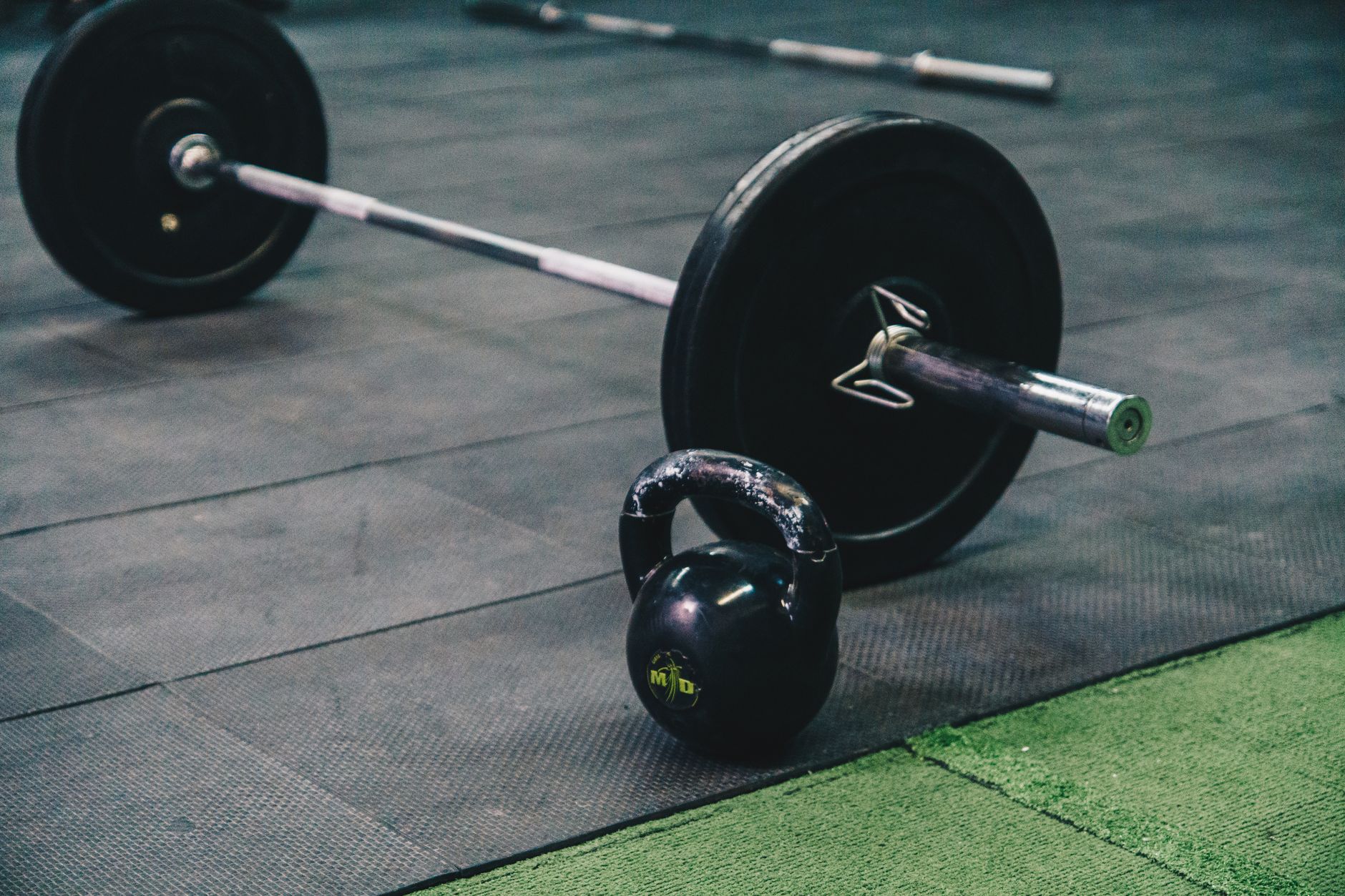
Weights vs cardio is a common dilemma for those in midlife looking to improve their health. Understanding the right balance can enhance your fitness routine and overall well-being.
Understanding the Importance of Exercise in Midlife
As individuals enter midlife, maintaining a regular exercise routine becomes increasingly important for overall health and well-being. The debate between weights vs cardio often arises, with both forms of exercise offering unique benefits.
Strength training, or weight lifting, helps to build muscle mass, which naturally declines with age. This is crucial for maintaining metabolism and preventing weight gain. On the other hand, cardiovascular exercise improves heart health, increases endurance, and can aid in weight management.
Finding the right balance between these two types of exercise is essential. A well-rounded fitness program can include:
- Strength training at least twice a week
- Cardio sessions for heart health
- Flexibility exercises to enhance mobility
Ultimately, incorporating both weights and cardio can lead to improved fitness and vitality in midlife.
Benefits of Weight Training for Older Adults
As individuals age, maintaining physical fitness becomes crucial, and understanding the benefits of weight training for older adults is essential. Weight training offers several advantages that can enhance overall well-being.
- Increased Muscle Mass: Engaging in weight training helps counteract muscle loss, which naturally occurs with aging.
- Improved Bone Density: Lifting weights can strengthen bones, reducing the risk of osteoporosis and fractures.
- Enhanced Metabolism: Muscle mass gained through weight training can boost metabolism, aiding in weight management.
- Better Balance and Stability: Strength exercises can improve balance, decreasing the risk of falls.
While many debate the merits of weights vs cardio, incorporating weight training into a fitness routine can provide significant benefits for older adults, promoting longevity and a healthier lifestyle.
Cardio: A Key Component for Heart Health
Cardiovascular exercise, commonly referred to as cardio, plays a vital role in maintaining heart health, especially as we age. Engaging in regular cardio activities can improve circulation, lower blood pressure, and enhance overall heart function. For those in midlife, incorporating cardio into a fitness regimen is essential for balancing the effects of weight training.
Moreover, cardio helps burn calories, aiding in weight management. Here are some effective cardio options:
- Walking: A low-impact exercise that is easy to incorporate into daily routines.
- Cycling: A great way to strengthen leg muscles while getting a good cardiovascular workout.
- Swimming: An excellent option for those with joint issues, providing a full-body workout.
Finding the right balance between weights and cardio is crucial for optimal health in midlife.
Finding the Right Balance Between Weights and Cardio
Finding the right balance between weights and cardio is essential for maintaining optimal fitness in midlife. While both forms of exercise offer unique benefits, it’s crucial to tailor a routine that suits individual needs and goals.
Engaging in weights vs cardio workouts can help improve overall strength, endurance, and cardiovascular health. Here are some tips to achieve the right balance:
- Mix It Up: Incorporate both weight training and cardio exercises into your weekly routine.
- Listen to Your Body: Adjust the intensity and frequency based on how you feel.
- Set Clear Goals: Define what you want to achieve, whether it’s weight loss, muscle gain, or improved stamina.
- Consult a Professional: Seek guidance from a fitness expert to create a balanced program.
By finding the right mix, you can enhance your health and well-being as you age.
Common Myths About Weights vs Cardio
As individuals navigate midlife fitness, several common myths about weights vs cardio can hinder their progress. One prevalent misconception is that weight training is only for younger individuals aiming for aesthetics. In reality, lifting weights is crucial for preserving muscle mass and bone density as we age.
Another myth is that cardio is the only way to lose weight. While cardiovascular exercise is essential, combining it with strength training can boost metabolism and enhance fat loss more effectively. Additionally, some believe that doing cardio exclusively is sufficient for heart health, overlooking the benefits of resistance training in improving overall fitness.
Understanding these myths can help individuals make informed decisions, achieving a balanced workout routine that incorporates both weights and cardio.
How to Create a Balanced Workout Plan
Creating a balanced workout plan in midlife involves incorporating both weights and cardio to achieve optimal fitness. Here are some tips to help you strike the right balance:
- Assess Your Goals: Determine whether your primary aim is to build strength, improve endurance, or lose weight. This will guide your focus on weights vs cardio.
- Schedule Variety: Aim for at least two days of weight training per week, complemented by cardiovascular exercises on other days.
- Listen to Your Body: Pay attention to how you feel during workouts; adjust intensity and duration based on your energy levels.
- Include Flexibility Training: Adding stretching or yoga can enhance overall fitness and prevent injury.
By following these guidelines, you can create a sustainable and effective workout routine tailored to your needs.
Expert Opinions on Midlife Fitness
Experts emphasize that achieving the right balance between weights and cardio is essential for midlife fitness. According to fitness trainer Jane Doe, “Incorporating both forms of exercise can enhance strength, endurance, and overall health.” She suggests that individuals focus on their personal goals, whether it be improving cardiovascular health or increasing muscle mass.
Dr. John Smith, a physician specializing in geriatrics, adds that “cardio is crucial for heart health, but weights play a vital role in maintaining muscle and bone density.” He recommends a mix of both, stating that a well-rounded approach can lead to better results.
Ultimately, the consensus among experts is that midlifers should tailor their workouts to include a combination of weights and cardio, ensuring a comprehensive fitness regimen that addresses multiple health aspects.
Real Success Stories: Weights vs Cardio
Many individuals in midlife have found their ideal fitness routine by blending weights and cardio, leading to transformative results. Here are a few inspiring success stories:
- Linda, 54: After incorporating weight training into her regimen, she not only increased her strength but also noticed improved endurance during her cardio sessions. This combination has helped her maintain a healthy weight.
- Mark, 58: Initially focused solely on cardio, Mark decided to add weights after realizing he was losing muscle mass. Now, he enjoys the benefits of both weights and cardio, feeling stronger and more energetic.
- Sarah, 60: By alternating between weight training and cardio, Sarah has enhanced her overall fitness level, proving that finding the right balance between weights and cardio is essential for midlife success.
Finding the right balance between weights vs cardio is essential for maintaining overall health and fitness in midlife. As we age, understanding how to effectively integrate weights vs cardio into our routines can lead to better results and improved well-being.
Photo by Arturo EG on Pexels

Leave a Reply