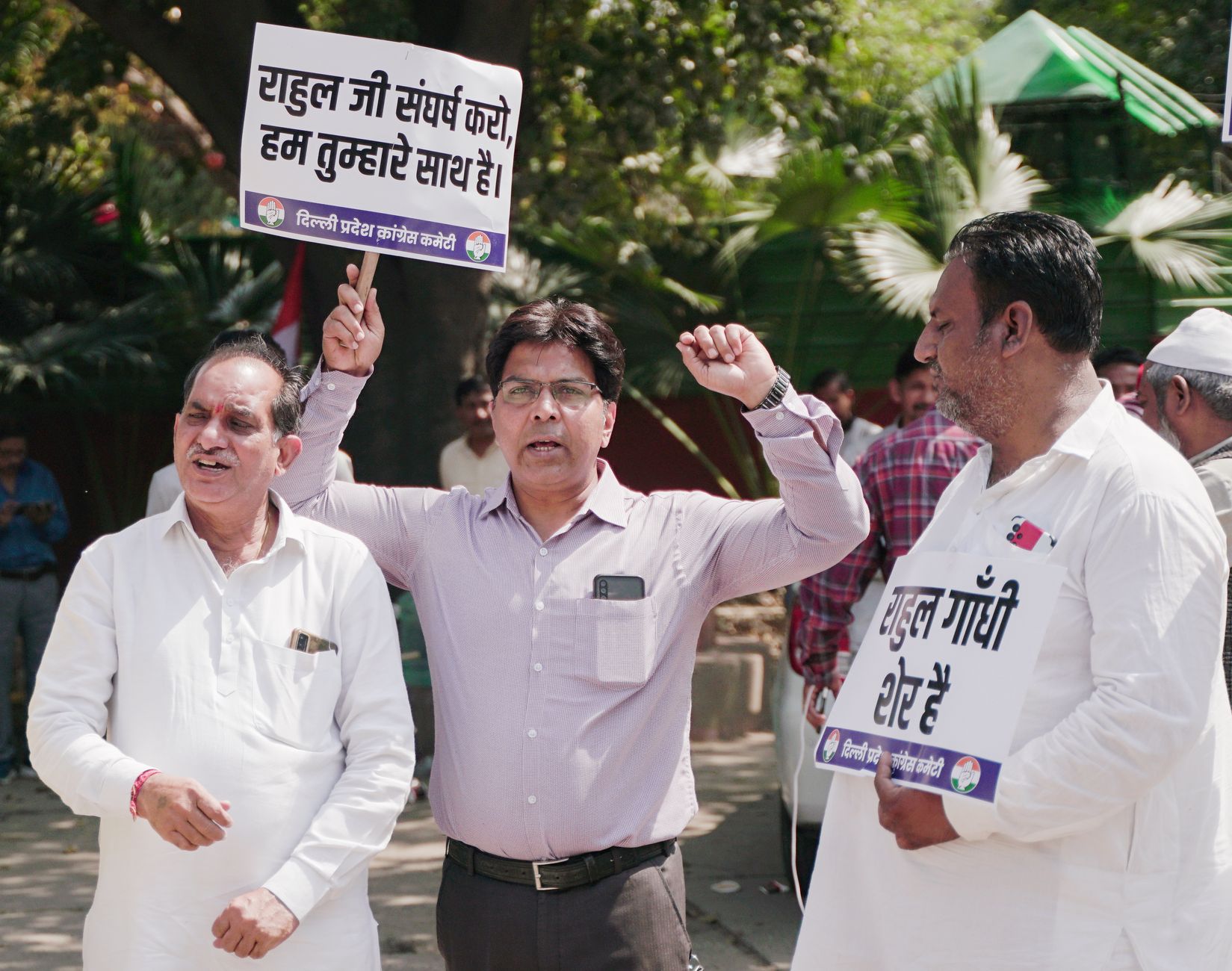
Regime change in India is not a possibility, according to RSS Chief Mohan Bhagwat. His recent remarks have sparked discussions about the political landscape in the country.
Mohan Bhagwat’s Statement Explained
In a recent statement, Mohan Bhagwat, the chief of the Rashtriya Swayamsevak Sangh (RSS), emphasized that a regime change in India is unlikely to occur. He expressed confidence in the stability of the current government and urged citizens to remain vigilant against any attempts to disrupt the democratic process.
Bhagwat’s remarks come amidst growing political debates and speculation regarding potential changes in leadership. He highlighted the importance of unity among the populace, asserting that the foundation of India’s democracy lies in its diversity and collective strength.
Key points from Bhagwat’s statement include:
- Stability of Governance: He reassured the public that the existing government is committed to maintaining order and progress.
- National Integrity: The RSS chief called for a united front among citizens to safeguard the nation’s integrity against divisive elements.
- Resilience Against Disruption: Bhagwat warned that attempts at regime change in India could undermine the democratic framework that has been built over decades.
His comments resonate with the RSS’s long-standing advocacy for a unified and strong India, reflecting their vision for the country’s future amidst ongoing political challenges.
Political Implications of Bhagwat’s Remarks
The recent remarks by Mohan Bhagwat, the chief of the Rashtriya Swayamsevak Sangh (RSS), regarding regime change in India have sparked significant political discourse. His assertion that a change in the ruling government is unlikely has been interpreted in various ways across political spectrums.
Many analysts highlight the implications of Bhagwat’s comments on the current political landscape:
- Stability Concerns: The statement may be seen as a reassurance to supporters of the ruling party, aiming to project a sense of stability in the face of opposition challenges.
- Opposition Reactions: Political opponents may view this as an attempt to undermine their credibility and aspirations, potentially framing it as a denial of democratic processes.
- Public Sentiment: The discourse surrounding regime change in India could influence voter perceptions, especially as elections approach, leading to heightened scrutiny of both government policies and opposition strategies.
- Long-term Implications: Bhagwat’s remarks may also reflect a strategic positioning by the RSS, suggesting that the organization is keen on maintaining its influence in shaping the future political narrative.
As the political landscape evolves, the ramifications of such statements could resonate well beyond immediate party lines, affecting broader societal dynamics.
Public Reaction to RSS Chief’s Comments
The comments made by RSS Chief Mohan Bhagwat regarding the prospects of regime change in India have sparked a significant public reaction across various platforms. Many citizens have taken to social media to express their views, reflecting a wide range of opinions on his statement.
- Support for Bhagwat’s Remarks: A segment of the population agrees with the RSS Chief, arguing that stability is crucial for India’s progress. They believe that the existing government has laid down a foundation that should not be disrupted, especially in times of economic uncertainty.
- Criticism and Concerns: Conversely, critics argue that Bhagwat’s assertion undermines the democratic process. Some political analysts and opposition supporters claim that such statements may discourage healthy political discourse and dissent, which are vital for a thriving democracy.
- Calls for Accountability: Others emphasize the need for accountability from the current regime, suggesting that regime change in India might be necessary if the government fails to address pressing issues like unemployment and inflation.
As the discussion continues to unfold, it remains clear that Bhagwat’s comments have ignited a broader conversation about the future of governance in India and the role of influential organizations like the RSS in shaping public perception.
Historical Context of Regime Change
The concept of regime change in India has a complex history, influenced by various political, social, and economic factors. Over the decades, India has experienced significant shifts in governance, especially during times of crisis or popular discontent. Events such as the Emergency declared in 1975 and the subsequent political upheaval in the 1980s serve as critical points in understanding the dynamics of power in the country.
Moreover, the rise of regional parties and coalitions in the 1990s marked a departure from the dominant two-party system, showcasing a diverse political landscape. This era saw the emergence of new social movements that challenged the traditional power structures, calling for reforms and representation for marginalized communities.
In recent years, discussions around regime change have often resurfaced, particularly during election seasons. The political rhetoric surrounding regime change in India is frequently shaped by the ruling party’s performance and public sentiment towards governance. Analysts note that while the idea of regime change may resonate in public discourse, actual changes in governance often hinge on broader social movements and electoral mandates.
The RSS Chief’s recent remarks echo this sentiment, emphasizing stability and continuity in the face of changing political tides.
What Does This Mean for India?
The recent remarks by RSS Chief Mohan Bhagwat regarding regime change in India have sparked significant discussion about the future political landscape of the country. As the leader of one of the most influential organizations, Bhagwat’s statement carries weight and signals a firm stance against any anticipated upheaval in governance.
In the context of India’s democratic framework, his assertion suggests a commitment to stability and continuity. This emphasis on maintaining the current regime may reflect broader concerns about the nation’s socio-political environment. Observers note that such comments could influence political strategies and campaign dynamics as various parties prepare for upcoming elections.
Furthermore, Bhagwat’s statements could impact public sentiment, fostering either support for the current administration or increasing calls for reform. Analysts believe that the RSS, with its extensive grassroots network, may play a crucial role in shaping how citizens perceive the notion of regime change in India.
In summary, Bhagwat’s declaration not only underscores the RSS’s position on governance but also highlights the complexities of India’s political discourse. The implications of such statements may reverberate through both political arenas and civil society, potentially steering the conversation about the country’s future direction.
Future of Indian Politics
The future of Indian politics appears to be a subject of intense debate following Mohan Bhagwat’s recent comments regarding regime change in India. His assertion that a shift in governance is unlikely has sparked varied reactions among political analysts and citizens alike.
Many experts argue that Bhagwat’s remarks reflect the RSS’s confidence in the current political landscape, which is heavily influenced by the ruling party’s policies and ideologies. This confidence could lead to a consolidation of power, making any potential regime change even more challenging in the near future.
On the other hand, critics suggest that the dynamics of Indian politics are complex and ever-evolving. They emphasize that public sentiment, regional parties, and emerging issues can significantly alter the political narrative, regardless of the statements made by influential leaders like Bhagwat.
As the political climate continues to shift, several factors will likely play a critical role in shaping the future. These include:
- The response of opposition parties to the RSS’s influence.
- The impact of socio-economic changes on voter sentiment.
- The role of youth and grassroots movements in challenging the status quo.
Ultimately, the conversation around regime change in India remains open, with many possibilities on the horizon.
RSS Influence on Political Climate
The influence of the Rashtriya Swayamsevak Sangh (RSS) on the political climate in India cannot be underestimated, especially in light of recent statements made by its chief, Mohan Bhagwat. His remarks about regime change in India have sparked discussions regarding the organization’s role in shaping political narratives and public sentiment.
The RSS, often seen as the ideological backbone of the ruling Bharatiya Janata Party (BJP), has a long history of engaging with various political issues. Many analysts believe that the RSS’s grassroots mobilization efforts and extensive network have significant sway over the electorate. This influence is particularly evident during elections, where the organization works to rally support for its affiliated parties.
Furthermore, the RSS’s ability to set the agenda on key national issues often reflects its deep-seated beliefs, which emphasize nationalism, cultural identity, and a vision of governance that aligns with its ideology. Some political commentators argue that such deep-rooted influence complicates any potential for regime change in India.
As the political landscape continues to evolve, the RSS’s role in influencing public opinion and political discourse will remain a critical factor in understanding the dynamics of power in the country.
Comparative Analysis with Other Countries
When analyzing regime change in India, it’s essential to consider how such shifts have unfolded in other countries. Various nations have experienced significant political transformations, often resulting from social unrest, economic crises, or external pressures.
- Egypt: The 2011 revolution, which led to the ousting of President Hosni Mubarak, serves as a stark example. Widespread protests fueled by economic hardship and demands for political reform resulted in a rapid regime change.
- Venezuela: The South American nation has faced continuous political turmoil, with leaders such as Hugo Chávez and Nicolás Maduro facing intense opposition. Protests and international sanctions have been pivotal in pushing for regime change.
- Myanmar: In 2021, the military seized power from the civilian government, igniting widespread protests and calls for restoring democracy. This situation exemplifies how fragile political systems can be under pressing circumstances.
Contrasting these examples with India highlights the unique stability in its democratic framework. Despite challenges, the RSS Chief’s assertion that regime change won’t happen in India underscores the resilience of Indian democracy. The political system’s established structures appear to provide a buffer against the volatility witnessed elsewhere.
Photo by Sandeep Kashyap on Pexels

Leave a Reply