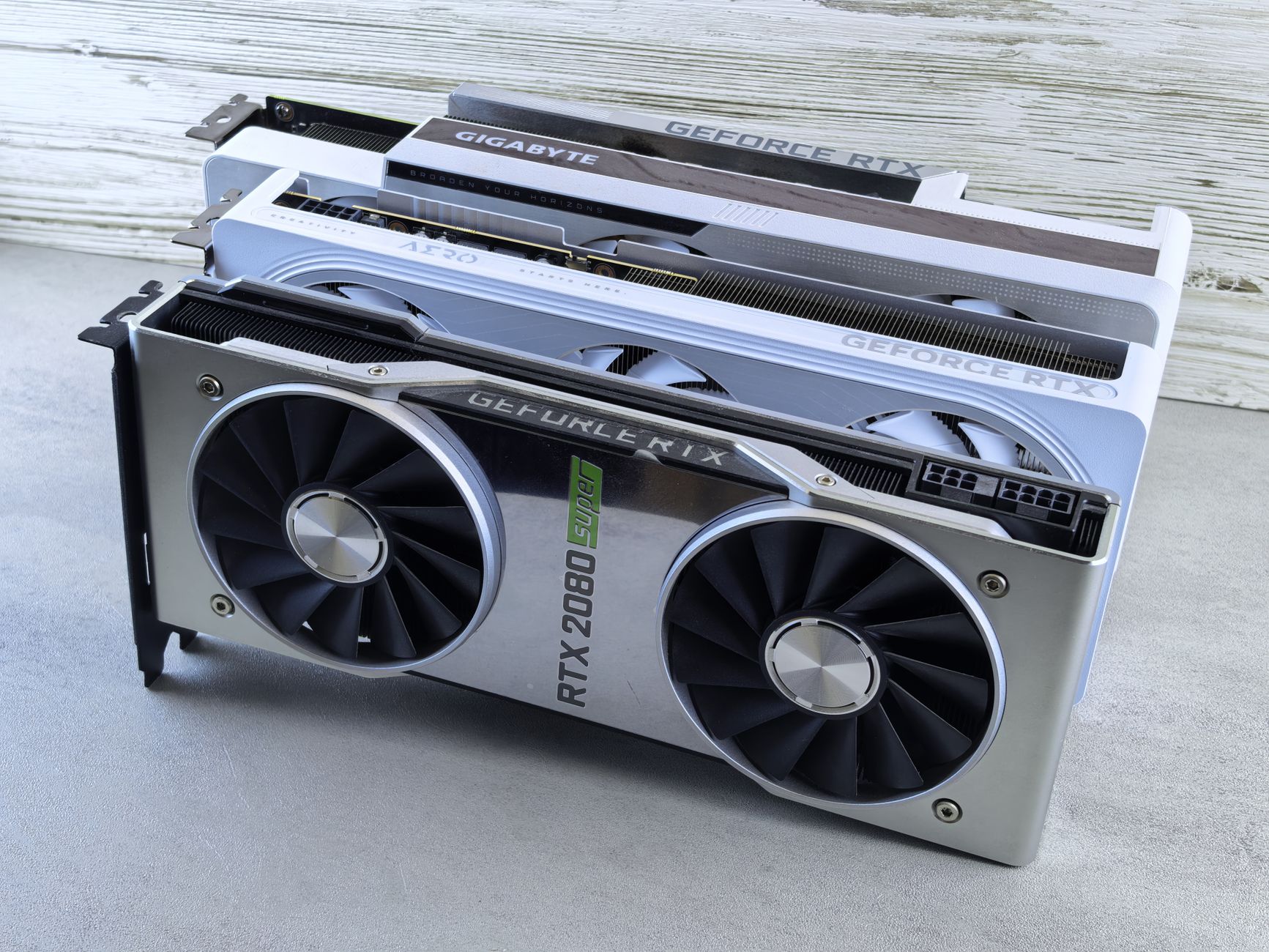
RTX 5090 GPUs discontinued marks a significant shift in Nvidia’s strategy, focusing on AI workstation cards instead. This decision has left many gamers concerned about the future of high-performance graphics.
Nvidia’s Shift to AI Workstations
Nvidia’s recent decision to discontinue the RTX 5090 GPUs marks a significant shift in the company’s strategy, as they pivot towards developing AI workstations. This move has left many gamers disappointed, as the RTX 5090 was highly anticipated for its expected performance upgrades and advanced capabilities.
The discontinuation is reportedly linked to Nvidia’s focus on the GB202 architecture, which is now being reserved for AI workstation cards. This shift signifies a growing trend in the tech industry, where AI applications are taking precedence over traditional gaming hardware.
As a result, gamers may face a shortage of high-performance GPUs in the near future. Some key implications of this change include:
- Limited availability of cutting-edge gaming graphics cards.
- Potential rise in prices for existing RTX 5000 series models.
- Increased competition among manufacturers to fill the gap left by Nvidia.
In this rapidly evolving landscape, gamers must adapt to a new reality where RTX 5090 GPUs are no longer an option.
Impact on Gaming Performance
The discontinuation of RTX 5090 GPUs has sent shockwaves through the gaming community, raising concerns about future gaming performance. With Nvidia shifting its focus toward AI workstations, gamers are left wondering how this decision will affect their gaming experience.
The RTX 5090 was anticipated to set new benchmarks for graphics performance, offering enhanced features such as:
- Real-time ray tracing: Bringing unparalleled realism to gaming graphics.
- Higher frame rates: Ensuring smooth gameplay even in the most demanding titles.
- Advanced AI capabilities: Enabling smarter in-game interactions and graphics optimization.
The absence of these cutting-edge GPUs means that gamers may have to settle for older models or explore alternatives, potentially limiting their gaming experiences. Moreover, as the demand for high-performance hardware continues to grow, the discontinuation of RTX 5090 GPUs could result in inflated prices for existing stock, further complicating the situation for gamers seeking top-tier performance.
What This Means for Gamers
The discontinuation of the RTX 5090 GPUs marks a significant turning point for gamers who were eagerly anticipating their release. With Nvidia’s focus shifting towards AI workstation cards, many are left wondering what this means for the gaming community.
For gamers, the RTX 5090 was expected to deliver groundbreaking performance and enhanced graphics capabilities. The decision to discontinue these GPUs suggests a lack of commitment from Nvidia to cater to the gaming market. This shift could lead to several consequences:
- Limited Options: With fewer high-end GPUs available, gamers may find it challenging to upgrade their systems.
- Price Hikes: The scarcity of advanced graphics cards could result in inflated prices for existing models.
- Performance Stagnation: As newer technologies focus on AI, gaming performance may not see the advancements many had hoped for.
Ultimately, the RTX 5090 GPUs discontinued will likely leave a void in the market, forcing gamers to reconsider their future hardware choices.
Future of Graphics Cards
The discontinuation of the RTX 5090 GPUs marks a significant shift in Nvidia’s strategy, leaving many gamers and enthusiasts concerned about the future of graphics cards. As the demand for AI workstation capabilities grows, Nvidia appears to be reallocating resources away from consumer-focused products. This move raises questions about the availability of high-performance GPUs for gaming.
With the RTX 5090 GPUs discontinued, gamers must now look to alternative options. Industry experts suggest that the next generation of graphics cards may prioritize efficiency and AI capabilities over raw gaming power. Many speculate that future releases could be tailored more towards professional applications rather than catering to the gaming community.
- Potential for increased prices of remaining models
- Shift in focus could lead to fewer gaming-specific features
- Impact on future gaming titles optimized for high-end GPUs
As Nvidia pivots towards AI, the gaming landscape may face a paradigm shift, leaving gamers to adapt to a new reality.
Consumer Reactions to Discontinuation
Consumer reactions to the news of the RTX 5090 GPUs discontinued have been overwhelmingly negative, with gamers expressing disappointment and frustration across various online platforms. Many enthusiasts had high hopes for the RTX 5090, anticipating its release as a game-changer in the gaming industry.
Social media has been flooded with comments, where users are highlighting their feelings about the abrupt discontinuation. A few common themes have emerged:
- Disappointment over missing out on the latest technology that promised to enhance gaming experiences.
- Concerns about the future of gaming performance, as many believe that the discontinuation signifies a shift in priorities for Nvidia.
- Frustration with Nvidia’s emphasis on AI workstations, as gamers feel neglected in favor of enterprise-focused products.
As the community grapples with this news, many are left wondering what options remain for high-end gaming graphics cards, further fueling discussions about the future of gaming hardware.
Alternatives to RTX 5090
With the discontinuation of the RTX 5090 GPUs, gamers are left searching for viable alternatives that can provide similar performance levels. While the gaming community is understandably disappointed, several options may help bridge the gap until new models are released.
- RTX 4080: Although not as powerful as the RTX 5090, the RTX 4080 offers excellent performance for most modern games, making it a suitable choice for gamers on a budget.
- AMD Radeon RX 7900 XTX: This alternative provides competitive performance and may outperform the RTX 5090 in certain scenarios, particularly in higher resolutions.
- Used Market: Exploring the second-hand market for older high-end GPUs like the RTX 3080 or 3090 can yield great performance at reduced prices.
- Upcoming Releases: Keep an eye on future announcements from Nvidia and AMD, as new graphics cards are expected to launch in the near future.
As the gaming landscape evolves, finding alternatives to the discontinued RTX 5090 GPUs will be essential for maintaining an enjoyable gaming experience.
Nvidia’s Next Steps
Nvidia’s decision to discontinue the RTX 5090 GPUs comes as the company pivots its focus towards AI and high-performance workstation solutions. This strategic shift raises questions about the future direction of Nvidia’s gaming line-up and its commitment to the consumer market.
Industry analysts predict that Nvidia will leverage its advanced technology to develop new graphics cards that cater specifically to the demands of AI applications, which could lead to a significant change in its product offerings. The company may also enhance existing models rather than introducing entirely new gaming GPUs.
Some experts suggest that Nvidia could consider:
- Integrating AI capabilities into future gaming GPUs, enhancing performance and gameplay experiences.
- Focusing on mid-range options that offer affordability without sacrificing performance.
- Enhancing software support for existing cards to extend their lifespan in the gaming market.
As gamers grapple with the news of the RTX 5090 GPUs discontinued, they remain hopeful for innovative solutions from Nvidia in the near future.
Market Trends in GPU Industry
The recent decision by Nvidia to discontinue the RTX 5090 GPUs has sent ripples through the GPU market, reflecting broader trends that could reshape the landscape of gaming technology. As companies pivot towards AI-driven solutions, the traditional focus on high-performance gaming hardware seems to be fading. Industry analysts are raising concerns about the implications this shift has on future product developments.
Several key trends are emerging:
- Increased Demand for AI Capabilities: The rise of AI applications is driving manufacturers to prioritize workstation-grade GPUs over consumer gaming cards.
- Supply Chain Adjustments: As Nvidia reallocates resources, other manufacturers may also follow suit, impacting overall GPU availability.
- Price Fluctuations: With the RTX 5090 GPUs discontinued, the remaining high-end models may see price hikes due to limited supply.
This strategic shift away from gaming GPUs raises questions about the long-term sustainability of the gaming market, as gamers seek alternatives in a rapidly evolving technological environment.
The recent announcement of RTX 5090 GPUs discontinued has left many gamers feeling frustrated and disappointed. With high expectations for performance, the sudden halt in production raises concerns about the future of gaming hardware.
Photo by Andrey Matveev on Pexels

Leave a Reply