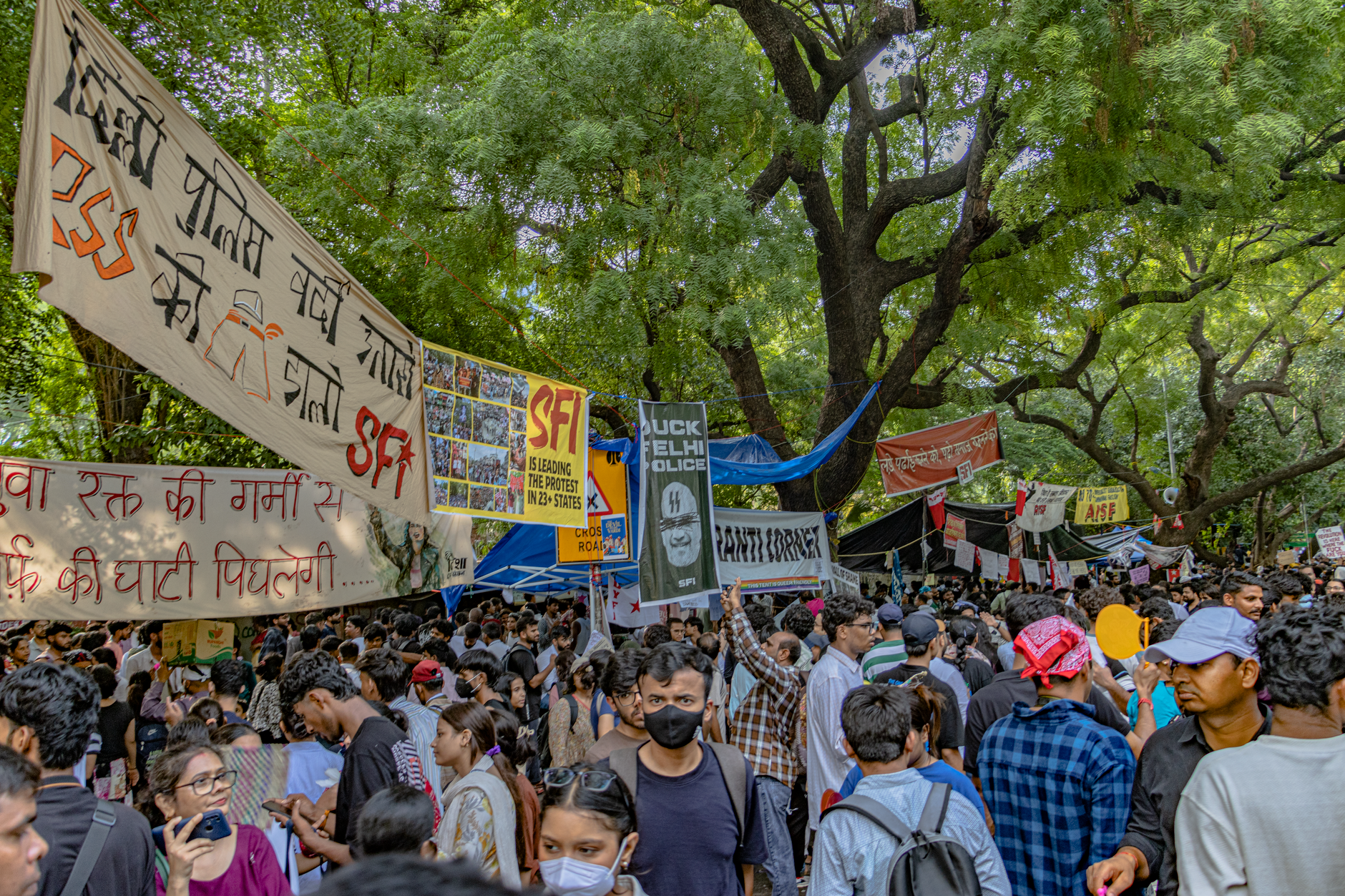
Shashi Tharoor anti-CEC voices have emerged as he criticizes the current government, asserting that it will not last. This sentiment reflects a larger discontent among opposition leaders.
Background on Shashi Tharoor
Shashi Tharoor, a prominent Indian politician and author, has recently intensified his criticism of the Chief Electoral Commissioner (CEC) and the current government. Known for his eloquent speeches and sharp political insight, Tharoor’s remarks reflect a growing sentiment among various political figures regarding the integrity of the electoral process. His vocal stance adds to the rising chorus of anti-CEC voices that question the neutrality and effectiveness of the electoral body.
Tharoor’s latest comments, which include the bold statement “Singhasan Khali Karo” (Vacate the Throne), suggest a deep-seated frustration with the ruling party’s governance. He argues that the government is undermining democratic values and failing to uphold the principles of a fair electoral process. This sentiment resonates with many citizens who are increasingly wary of the political climate in India.
In a nation where elections are a cornerstone of democracy, Tharoor’s warnings serve as a stark reminder of the need for transparency and accountability within the electoral framework. His position not only highlights his commitment to democratic ideals but also galvanizes support from those who believe that the current administration’s actions threaten the very foundations of India’s democratic system.
Understanding the Anti-CEC Movement
The anti-CEC movement has gained traction in recent weeks, with prominent voices like Shashi Tharoor expressing strong discontent towards the current government. Tharoor’s statements reflect a growing sentiment among various political figures and citizens alike, who are increasingly vocal about their frustrations with the Chief Election Commissioner (CEC) and the electoral process.
Central to the anti-CEC voices is the perception that the electoral framework has been compromised. Critics argue that the integrity of the electoral process is at risk, leading to calls for reforms. Key issues within this movement include:
- Allegations of Bias: Many believe that the CEC has shown favoritism towards the ruling party, undermining the election’s fairness.
- Lack of Transparency: Concerns have been raised about the opacity in electoral decisions, which has fueled distrust among voters.
- Call for Accountability: Activists are demanding that the CEC be held accountable for its actions, ensuring that all electoral processes are conducted impartially.
As Shashi Tharoor and other leaders amplify their anti-CEC voices, the conversation around electoral integrity continues to grow, signaling a potential shift in public sentiment regarding governance and democratic processes.
Government’s Response to Criticism
The government has faced mounting pressure following the rising anti-CEC voices, with Shashi Tharoor being one of the most vocal critics. In response to Tharoor’s remarks, officials have defended their actions, stating that they are committed to maintaining the integrity of the electoral process.
During a recent press conference, a government spokesperson addressed the concerns raised by Tharoor and others, emphasizing the importance of stability and governance. The spokesperson stated, “We respect the right to dissent; however, it is crucial to engage in constructive dialogue rather than incite unrest.” This statement reflects a broader strategy to manage the narrative surrounding the criticisms of the Chief Election Commissioner (CEC).
In addition, the government has initiated outreach programs aimed at bridging the gap between officials and the public. They hope that by fostering open communication, they can alleviate some of the tensions that have arisen from the increasing anti-CEC voices.
Political analysts suggest that the government’s response could shape the upcoming electoral landscape. As Tharoor continues to rally support against the CEC, the administration’s approach will be closely watched by both supporters and detractors alike.
Public Reaction to Tharoor’s Statements
In the wake of Shashi Tharoor’s recent statements regarding the Chief Election Commissioner (CEC), public reaction has been mixed, showcasing the divided opinions on the issue. Many supporters of Tharoor view his comments as a necessary critique of the current government’s electoral practices.
Numerous social media users have expressed their agreement with Tharoor, emphasizing the importance of maintaining the integrity of the electoral process. A few notable reactions include:
- Anjali Mehta: “Tharoor’s voice adds to the growing anti-CEC voices in our country. We need more leaders to speak out!”
- Rahul Kapoor: “It’s about time someone stood up against the flawed system. Tharoor’s courage is commendable.”
- Priya Singh: “While I respect Tharoor, I wonder if such statements can lead to any real change.”
On the contrary, some critics argue that Tharoor’s comments may further polarize political discussions rather than fostering constructive dialogue. They caution that while criticism is essential, it should not undermine the democratic processes established in the country.
Overall, Shashi Tharoor’s anti-CEC voices have sparked a renewed debate about electoral integrity and the role of leadership in advocating for transparency.
Future Implications for Indian Politics
The recent surge in Shashi Tharoor’s anti-CEC voices has raised significant questions about the trajectory of Indian politics. As political discourse intensifies, Tharoor’s statements reflect a growing sentiment among opposition leaders, indicating a potential shift in public perception towards the current government’s electoral conduct.
Several implications can be drawn from Tharoor’s outspokenness:
- Increased Mobilization: Tharoor’s comments may galvanize various political factions to unite against perceived electoral injustices, fostering a more robust opposition.
- Voter Awareness: His statements are likely to heighten awareness among voters regarding the integrity of the electoral process, encouraging more informed decisions during elections.
- Potential Policy Changes: A stronger anti-CEC stance could lead to calls for reforms in the electoral system, emphasizing transparency and accountability.
- Impact on Future Elections: If the anti-CEC movement gains momentum, it could significantly influence voter turnout and election results, especially in pivotal constituencies.
As the political landscape evolves, the ramifications of Tharoor’s rhetoric could play a crucial role in shaping upcoming electoral battles, making it essential for observers to monitor these developments closely.
Conclusion on Political Dissent
In light of Shashi Tharoor’s recent comments, the growing anti-CEC voices signal a crucial juncture in India’s political landscape. Tharoor’s assertion that the current government will eventually face consequences resonates with a broader sentiment among various political factions and civil society. The increasing dissent reflects a potential shift in public opinion, as citizens become more vocal about their expectations from the electoral system and the integrity of the Chief Election Commissioner.
The backlash against the CEC, as voiced by Tharoor and others, raises essential questions about the future of democratic processes in India. Many argue that the independence of electoral institutions is paramount to maintaining a healthy democracy. The challenges posed by the current administration’s perceived overreach have galvanized opposition leaders, who view these criticisms as necessary for safeguarding democratic values.
Moreover, the public’s reaction to Tharoor’s statements indicates a growing impatience with the status quo. As more leaders join the anti-CEC chorus, it becomes evident that the implications for Indian politics could be significant. The demand for accountability and transparency may reshape the political narrative, urging the government to address these concerns seriously. Ultimately, the emergence of dissenting voices like Tharoor’s serves as a reminder that democracy thrives on active engagement and discourse.
Shashi Tharoor’s anti-CEC voices have sparked a significant debate within political circles, drawing attention to the integrity of electoral processes. As more leaders join the conversation, the implications of Shashi Tharoor’s anti-CEC voices may reshape public perception of the Election Commission’s role in democracy.
Photo by Shantum Singh on Pexels

Leave a Reply