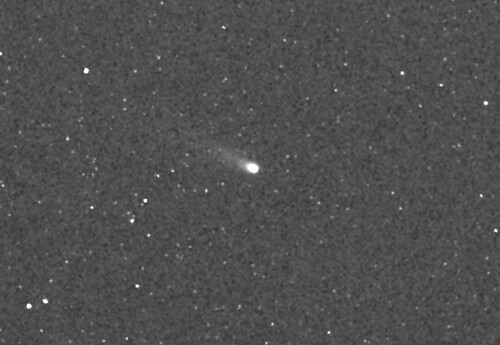
Comets and early Earth have long been thought to be linked in the origin of life. However, recent studies indicate that this connection may not be as strong as previously believed.
Introduction to the Study
Recent scientific investigations have reignited the debate surrounding the origins of life on Earth, particularly the role of comets and early Earth in this process. A new study has presented evidence suggesting that comets may not have been the primary source of life’s building blocks, challenging longstanding theories in astrobiology. This research is crucial as it shifts the focus from celestial bodies to other potential sources, which might include volcanic activity and the unique chemistry of early Earth itself.
The study’s findings indicate that while comets are rich in organic materials, the specific conditions on early Earth could have been more conducive to the formation of life than previously thought. The researchers emphasize the need for a reevaluation of existing models that heavily rely on the idea of extraterrestrial delivery of life’s precursors.
As scientists continue to explore this complex mystery, it becomes increasingly important to consider a broader range of possibilities regarding how life may have originated on our planet.
What Previous Theories Suggested
Previous theories regarding the origins of life on early Earth often highlighted the role of comets as crucial carriers of organic materials. These celestial bodies were thought to deliver essential compounds needed for life, such as amino acids and nucleobases, during their high-speed impacts. Researchers speculated that the bombardment by comets could have created the right conditions for life to emerge, suggesting that these icy travelers acted as a kind of cosmic seed for the primordial ooze.
Several key points underpinned this theory:
- Delivery Mechanism: Comets were believed to possess a wealth of organic compounds frozen within them.
- Impact Events: High-energy impacts could have triggered chemical reactions necessary for life.
- Historical Evidence: Some studies pointed to ancient geological records that seemed to support cometary impacts as life-sustaining events.
However, the new study challenges this notion, raising questions about whether comets and early Earth were indeed the right source of life as previously thought.
Key Findings of the Research
The recent study has unveiled several key findings that challenge the long-standing belief that comets were crucial in delivering life to early Earth. Researchers conducted a thorough analysis of various cosmic materials and their potential contributions to the planet’s primordial soup.
- Comet Composition: The study reveals that the chemical makeup of many comets does not match the organic molecules found in the oldest rocks on Earth. This raises questions about their role as a life source.
- Impact Events: Although comets are known for their impact events, the study suggests that these collisions might not have delivered viable life forms but rather destroyed existing conditions suitable for life.
- Alternative Sources: Researchers propose that life may have originated from other sources, such as asteroids or even deep-sea vents, rather than relying solely on comets and early Earth interactions.
These findings prompt a reevaluation of how life might have initially emerged on our planet, shifting the focus away from comets as a primary contributor.
Comets and Early Earth: A Closer Look
A recent study challenges the long-held belief that comets and early Earth played a crucial role in delivering the building blocks of life. Researchers have conducted extensive analyses of cometary materials and their potential contributions to the primordial landscape of our planet. The findings suggest that the composition of comets may not have been as rich in essential organic compounds as previously thought.
Moreover, the study highlights several key factors that could undermine the theory of comets as a source of life:
- Composition Variability: Comets exhibit significant variations in their chemical makeup, making it unlikely that they all could deliver the necessary ingredients for life.
- Atmospheric Conditions: The early Earth’s harsh atmosphere may have hindered the survival of organic materials brought by comets.
- Alternative Sources: There is growing evidence that life’s building blocks could have originated from other celestial bodies or even within Earth itself.
As researchers continue to unravel the complexities of life’s origins, the role of comets and early Earth may need to be reevaluated.
Implications for Astrobiology
The recent study challenging the role of comets in delivering life to early Earth opens new avenues for astrobiology. Researchers have long considered comets as potential carriers of organic compounds that could have seeded life on our planet. However, the findings suggest that the conditions on early Earth may have been more conducive to the spontaneous formation of complex organic molecules than previously thought.
These implications are significant as they prompt a re-evaluation of how life might arise elsewhere in the universe. If comets and early Earth were not the primary sources of life’s building blocks, astrobiologists must explore alternative pathways for life’s origins, including:
- Hydrothermal vents on the ocean floor
- Atmospheric chemistry in primitive environments
- Mineral surfaces acting as catalysts for organic reactions
Understanding these mechanisms could reshape our search for extraterrestrial life and inform the design of future missions aimed at exploring other celestial bodies for signs of life. As the science evolves, so too does our perspective on the potential for life beyond Earth.
Expert Opinions on the Findings
Experts in the field have weighed in on the recent findings regarding comets and early Earth, challenging long-standing beliefs about the origins of life. Dr. Emily Carter, an astrobiologist, remarked, “This study raises significant questions about the role comets may have played in delivering the building blocks of life to our planet.” She emphasized the importance of re-evaluating how we understand early Earth conditions.
Another prominent researcher, Dr. Michael Chen, stated, “While comets are still fascinating objects, we must consider alternative sources for life’s precursors, such as interstellar dust or volcanic activity on early Earth.” This perspective highlights the need for further investigation into other mechanisms that could have contributed to the emergence of life.
Additionally, Dr. Sarah Lopez noted, “The implications of this study could significantly alter our approach to astrobiology and the search for life beyond our planet.” As scientists continue to explore the mysteries of comets and early Earth, the conversation around life’s origins is sure to evolve.
Future Research Directions
As the debate surrounding the origins of life on Earth continues, future research directions are essential for uncovering the complexities of this profound question. New studies suggest that comets and early Earth may not be the sources of life as previously thought, prompting scientists to explore alternative hypotheses.
Future investigations could focus on the following areas:
- Astrobiological Simulations: Researchers will likely conduct more laboratory simulations to replicate the conditions of early Earth and assess the viability of other potential sources of life’s building blocks.
- Volcanic Activity: The role of volcanic eruptions in releasing organic compounds could be a promising avenue, as these environments may have provided the necessary conditions for life to emerge.
- Extraterrestrial Materials: Analyzing meteorites and interstellar dust may yield insights into prebiotic chemistry that does not rely solely on comets.
By expanding the scope of their research, scientists aim to better understand the origins of life and the interplay between comets and early Earth in this fascinating puzzle.
Conclusion
In conclusion, the recent study challenging the long-held belief that comets played a significant role in delivering life to early Earth has sparked considerable debate within the scientific community. While past theories heavily relied on the idea that these celestial bodies acted as carriers of organic compounds essential for life, the new findings suggest otherwise.
Researchers have pointed out several key reasons for questioning the role of comets in the origins of life:
- Composition Analysis: Studies indicate that the organic materials found in comets may not match those necessary for life as we know it.
- Environmental Conditions: The conditions on early Earth may have favored the synthesis of life from local resources rather than extraterrestrial sources.
- Alternative Theories: New models propose that life could have originated from hydrothermal vents or other terrestrial environments.
As our understanding of astrobiology evolves, these revelations about comets and early Earth will undoubtedly influence future research directions and the quest to uncover the true origins of life.
While the theory that comets and early Earth played a crucial role in the origin of life has gained traction, recent studies suggest alternative pathways may be more plausible. Understanding the relationship between comets and early Earth could reshape our perspective on life’s beginnings.
By NASA Goddard Photo and Video via Openverse
Leave a Reply