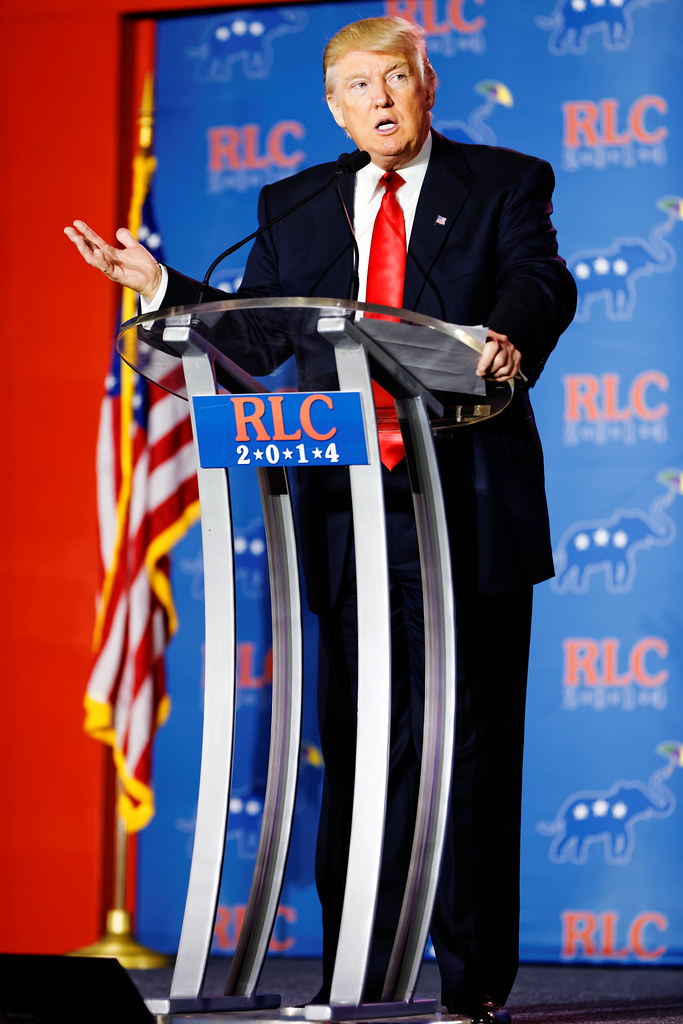
Trump control over elections has become a critical issue as he attempts to influence the electoral process. Our reporting reveals key findings that shed light on this controversial topic.
Introduction to Trump’s Influence
In recent years, former President Donald Trump has made headlines with his attempts to exert control over elections. This influence raises questions about the integrity of the democratic process and the implications for future elections. As the political landscape evolves, Trump’s actions can be seen as both a response to perceived injustices and a strategic maneuver to consolidate power.
Critics argue that Trump’s control over elections undermines the foundational principles of democracy, while supporters believe that his efforts are necessary to ensure fairness. Key findings from various reports shed light on this complex issue:
- Allegations of Fraud: Trump has consistently claimed widespread voter fraud, prompting calls for stricter election laws.
- Influence on State Legislatures: His endorsements and pressure tactics have swayed local lawmakers to adopt measures that could skew election outcomes.
- Impact on Voter Turnout: The narrative surrounding election integrity has led to increased polarization among voters.
As the debate continues, Trump’s control over elections remains a focal point for discussions about democracy in America.
Key Findings from Our Reporting
Our investigation into Trump’s control over elections reveals several critical findings that shed light on his tactics and their implications for American democracy.
- Increased Pressure on Election Officials: Several officials reported feeling immense pressure from Trump and his supporters to overturn results, raising concerns about the integrity of the electoral process.
- Targeting of Key States: Trump’s focus has been primarily on battleground states, where his influence appears to be more pronounced, leading to fears of manipulated outcomes in future elections.
- Use of Misinformation: The spread of false claims regarding election fraud has been a hallmark of Trump’s strategy, undermining public trust in the electoral system.
- Mobilization of Supporters: Trump’s ability to galvanize his base has resulted in increased activism, which often puts pressure on lawmakers to align with his views on election integrity.
- Legal Challenges: Numerous lawsuits initiated by Trump and his allies aim to reshape election laws, further consolidating his control over the electoral landscape.
These findings illustrate the significant impact of Trump’s control over elections and its potential consequences for future democratic practices.
The Impact on Democracy
The ongoing efforts by former President Trump to exert control over elections have raised significant concerns regarding the integrity of democratic processes in the United States. As he seeks to influence electoral outcomes, many experts argue that such tactics could undermine public trust in the electoral system.
Critics contend that Trump’s attempts at election control are not merely political strategies but represent a fundamental challenge to democratic norms. Key impacts on democracy include:
- Erosion of Public Trust: Continuous questioning of election results can lead to widespread skepticism among voters.
- Disenfranchisement: Efforts to control election procedures may disenfranchise certain groups, disproportionately affecting marginalized communities.
- Polarization: These actions further deepen the political divide, making bipartisan cooperation increasingly difficult.
- Legal Challenges: Trump’s moves have prompted numerous legal battles, diverting attention and resources away from pressing issues.
As Trump continues to assert control over elections, the long-term effects on democracy remain to be seen, but the implications are undeniably serious.
Public Reaction to Election Control
The public reaction to Trump’s attempts to exert control over elections has been a mix of support and condemnation, reflecting the nation’s deep political divide. Many supporters view his actions as a necessary means to ensure election integrity, believing that his influence is crucial in countering perceived fraud. They argue that Trump’s control over elections is vital to restoring faith in the electoral process.
Conversely, critics argue that such control undermines democracy and threatens the core principles of fair elections. They express concerns that Trump’s tactics may disenfranchise voters and erode trust in the democratic system. Polls indicate that a significant portion of the population believes his efforts could lead to long-term damage to electoral integrity.
In social media discussions and public forums, emotions run high, with many expressing fears that the normalization of such tactics could set a dangerous precedent for future elections. As the debate continues, it is clear that the implications of Trump’s control over elections will be felt for years to come.
Historical Context of Election Influence
The historical context of election influence in the United States reveals a complex landscape shaped by political maneuvers and power struggles. Over the decades, various leaders have sought to exert control over the electoral process, often leading to significant consequences for democracy. Trump’s control over elections can be viewed as a continuation of this trend, marked by an unprecedented level of public engagement and scrutiny.
In the past, instances of manipulation included:
- Gerrymandering, which has been used to favor specific political parties.
- Voter suppression tactics aimed at disenfranchising marginalized communities.
- Intimidation at polling places to influence voter turnout.
These historical tactics pave the way for understanding Trump’s approach. His emphasis on narratives around election integrity and fraud has drawn both support and criticism, echoing past strategies that aimed to consolidate power. As we examine the implications of his actions, it becomes clear that the influence of political figures on elections is a persistent issue that raises important questions about the health of democracy.
Future Implications for Elections
The future implications of Trump’s control over elections could reshape the political landscape in the United States. As his influence grows, concerns about the integrity of the electoral process intensify. Analysts fear that his tactics may inspire similar moves by other political figures, leading to a fragmented and contentious electoral environment.
Key areas of concern include:
- Voter Access: If election control tactics persist, marginalized communities may face increased barriers to participation.
- Election Legitimacy: Continuous questioning of election outcomes could undermine public trust in democratic institutions.
- Political Polarization: Trump’s influence may deepen divisions, making bipartisan cooperation even more challenging.
Furthermore, the potential normalization of these tactics raises questions about the long-term health of democracy in the U.S. If Trump’s control over elections becomes a standard practice, it could lead to a cycle of political maneuvering that prioritizes power over principles.
In essence, the ramifications of Trump’s approach will likely extend far beyond current elections, affecting future political strategies and the electorate’s overall confidence in the electoral system.
The implications of Trump control over elections extend far beyond the immediate political landscape. Many analysts argue that such tactics could undermine public trust in the democratic process.
By Michael Vadon via Openverse
Read the original
Related reading
Karbonn Rebel Pro: Is It the Best Smartphone for You? · FS Casino App – Test, Bonus & Mobile-Guide für deutsche Spieler · Betlexo Freispiele: Schritte und Methoden

Leave a Reply