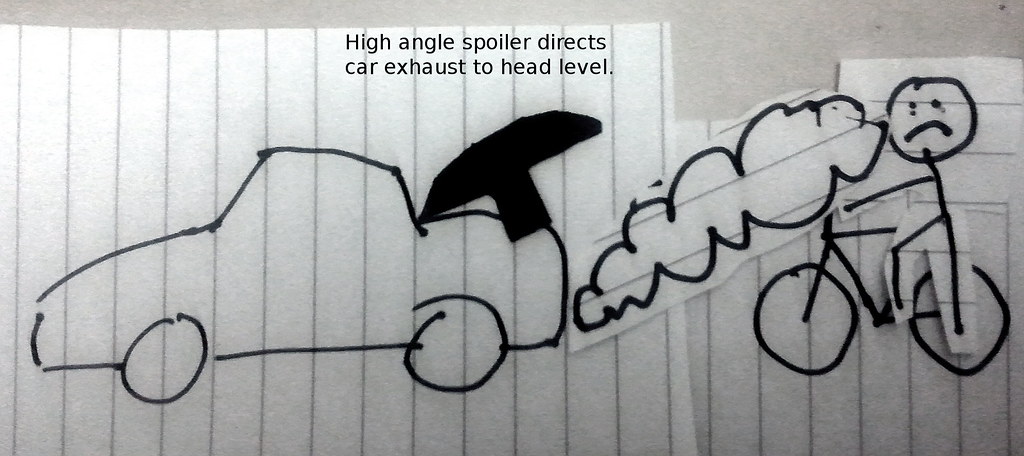
polluted air effects are often overlooked, yet they play a significant role in our health. Understanding what happens to polluted air after it leaves your lungs is crucial for awareness and prevention.
Understanding Air Pollution
Air pollution is a significant environmental concern that affects both the planet and human health. Understanding the effects of polluted air is crucial for making informed decisions about our lifestyles and communities.
When we breathe in polluted air, harmful particles and gases enter our lungs and bloodstream, leading to a variety of health problems. These include:
- Respiratory Issues: Polluted air can exacerbate conditions like asthma and chronic bronchitis, making it difficult for individuals to breathe.
- Cardiovascular Diseases: Long-term exposure to polluted air increases the risk of heart attacks and strokes due to its impact on blood vessels.
- Reduced Lung Function: Children and adults exposed to high levels of air pollution may experience decreased lung development and function.
- Cancer: Certain pollutants are linked to an increased risk of lung cancer and other malignancies.
As we comprehend the implications of polluted air effects, it becomes essential to advocate for cleaner air initiatives and prioritize our health.
How Lungs Process Polluted Air
The human respiratory system is designed to filter and process the air we breathe. However, polluted air can overwhelm this natural defense. When we inhale, air travels through the nasal passages, where it is warmed and moistened. Tiny hairs called cilia and mucus trap dust, allergens, and pollutants. Despite these mechanisms, harmful particles can still enter the lungs.
Once in the lungs, the effects of polluted air become evident. The fine particulate matter can reach deep into the alveoli, where oxygen exchange occurs. This can lead to inflammation and reduced lung function. Over time, exposure to polluted air can cause chronic conditions, such as asthma and bronchitis, and worsen pre-existing respiratory illnesses.
Furthermore, the pollutants can enter the bloodstream, impacting overall health. The body attempts to combat these effects through various mechanisms, but prolonged exposure can lead to serious health risks. Understanding the polluted air effects on lung health is crucial for recognizing the importance of clean air and advocating for better air quality standards.
The Journey of Polluted Air
The journey of polluted air does not end once it leaves your lungs. Instead, it continues to impact the environment and public health in significant ways. After inhalation, the pollutants can travel deeper into the atmosphere, affecting air quality and climate patterns.
As the polluted air disperses, it can lead to a variety of negative outcomes:
- Health Impacts: Polluted air can contribute to respiratory issues, cardiovascular diseases, and other chronic health conditions.
- Environmental Damage: Pollutants can harm ecosystems, damaging vegetation and wildlife.
- Climate Change: Certain air pollutants are greenhouse gases that exacerbate global warming.
- Social Inequality: Vulnerable communities often bear the brunt of polluted air effects, leading to health disparities.
It is crucial to recognize that the effects of polluted air extend beyond individual health, influencing our communities and the planet as a whole. Understanding this journey underscores the importance of addressing air quality issues.
Health Risks Associated with Pollution
The effects of polluted air on health are profound and far-reaching. Exposure to polluted air can lead to a variety of serious health issues, impacting individuals of all ages. Some of the most significant health risks associated with pollution include:
- Respiratory Diseases: Pollutants can exacerbate conditions such as asthma and chronic obstructive pulmonary disease (COPD), making it difficult to breathe.
- Cardiovascular Problems: Air pollution is linked to increased rates of heart attacks and strokes due to its adverse effects on blood vessels and heart function.
- Neurological Effects: Emerging studies suggest that long-term exposure to polluted air may contribute to cognitive decline and increase the risk of neurodegenerative diseases.
- Reproductive Issues: Polluted air can affect reproductive health, leading to complications during pregnancy and developmental issues in children.
These health risks highlight the urgent need to address the issue of air quality. Understanding the polluted air effects on health is essential for developing effective public health strategies.
Preventing Air Pollution
Preventing air pollution is essential for safeguarding public health and mitigating the polluted air effects that can significantly impact our well-being. Individuals and communities can take various steps to contribute to cleaner air.
One effective way is to reduce vehicle emissions by:
- Utilizing public transportation whenever possible
- Carpooling with others to decrease the number of vehicles on the road
- Opting for electric or hybrid vehicles that produce fewer emissions
Another crucial action is promoting energy efficiency in homes and businesses. This can be achieved by:
- Using energy-efficient appliances to minimize power consumption
- Implementing proper insulation to reduce heating and cooling needs
- Investing in renewable energy sources, such as solar panels
Additionally, supporting local initiatives aimed at reducing industrial emissions can lead to long-term improvements in air quality. Every small effort counts in the collective fight against air pollution and its detrimental health impacts.
Effects on the Environment
The effects of polluted air extend beyond human health, significantly impacting the environment. As polluted air interacts with natural ecosystems, it can lead to various detrimental consequences.
- Acid Rain: Polluted air often contains sulfur dioxide and nitrogen oxides, which can combine with water vapor to form acid rain. This phenomenon can damage forests, lakes, and soil, disrupting the balance of ecosystems.
- Climate Change: Greenhouse gases emitted through polluted air contribute to global warming, altering weather patterns and threatening biodiversity.
- Ozone Depletion: Pollutants can lead to the depletion of the ozone layer, which protects the Earth from harmful ultraviolet radiation.
- Impact on Wildlife: Animals and plants are affected by the quality of the air they breathe, leading to health problems and reduced survival rates in vulnerable species.
Addressing the effects of polluted air is crucial not only for public health but also for the preservation of our environment. Without action, the consequences will continue to escalate, harming both nature and human life.
What You Can Do
Addressing the issue of polluted air effects on health is crucial, and there are several actionable steps individuals can take to mitigate these impacts.
- Limit outdoor activities: On days when air quality is poor, try to stay indoors, especially during peak pollution hours.
- Use air purifiers: Investing in a good air purifier can significantly reduce indoor air pollution, creating a healthier environment at home.
- Wear masks: Consider using masks designed to filter out pollutants when exposed to high pollution levels outdoors.
- Advocate for cleaner air: Get involved in local initiatives aimed at reducing air pollution, such as tree planting or community clean-up events.
- Stay informed: Keep track of air quality reports in your area to make educated decisions about outdoor activities.
By taking these steps, individuals can not only protect their own health but also contribute to a larger movement towards cleaner air and a healthier environment.
Future of Air Quality
The future of air quality remains a pressing concern as urbanization and industrialization continue to rise. With the increasing levels of pollutants, the long-term effects on health are becoming more evident. Polluted air effects are not just immediate; they can have lasting impacts on respiratory health, cardiovascular systems, and overall well-being.
Innovative solutions are being explored to combat air pollution. These include:
- Renewable Energy Sources: Transitioning to wind, solar, and hydroelectric power can significantly reduce emissions.
- Improved Transportation: Electric vehicles and better public transportation systems aim to lower the number of cars on the road.
- Green Urban Planning: Incorporating green spaces and vegetation in cities can help filter pollutants and improve air quality.
- Regulatory Measures: Stricter laws on emissions and industrial waste will play a crucial role in controlling pollution levels.
As communities and governments work together, the hope is to create a healthier environment where the adverse effects of polluted air are minimized, ensuring better public health for future generations.
The polluted air effects on respiratory health can lead to chronic diseases and reduced lung function. Additionally, the polluted air effects are linked to increased rates of cardiovascular issues and premature mortality.
By Richard Masoner / Cyclelicious via Openverse

Leave a Reply