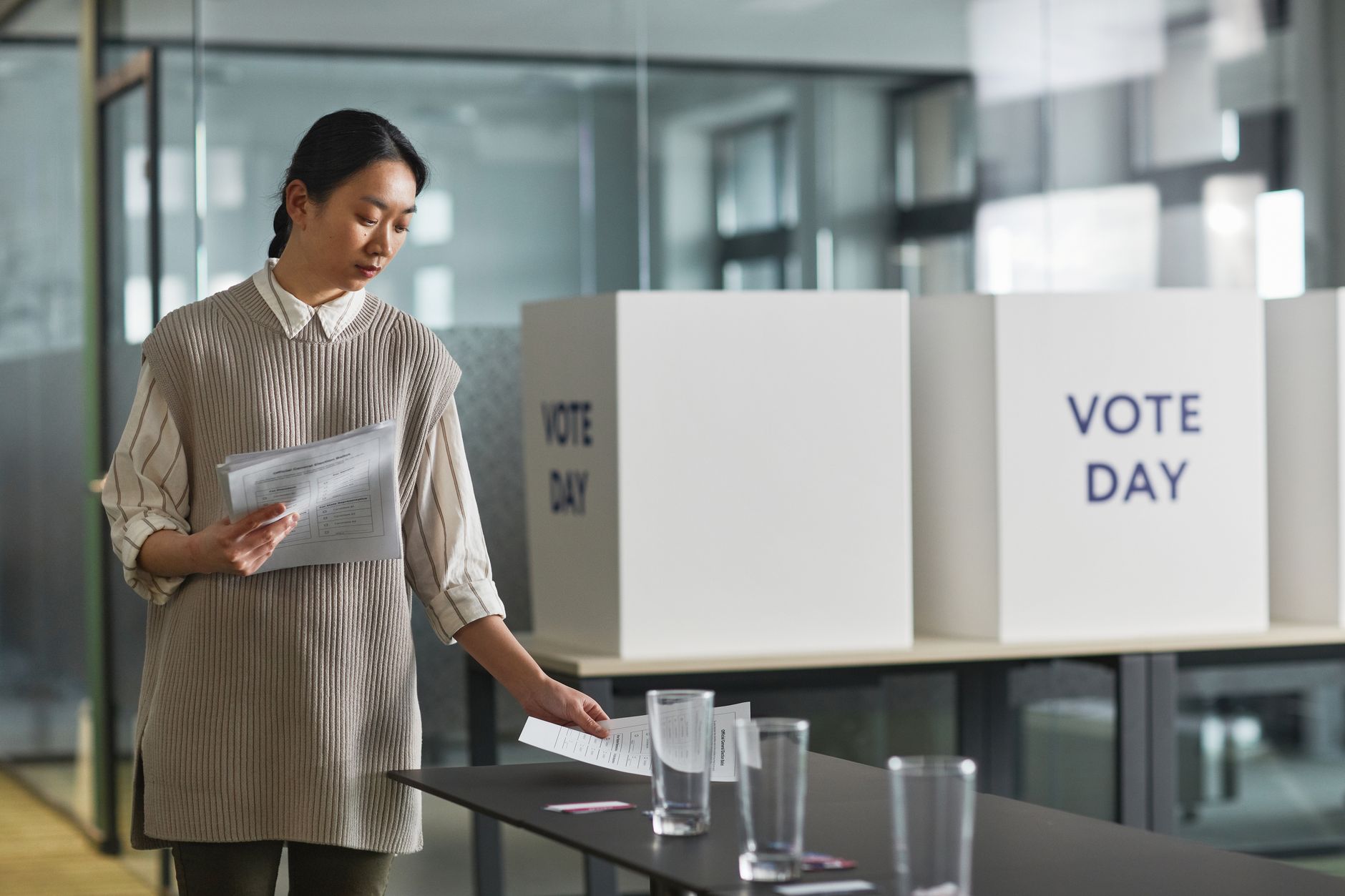
polling booths in India are essential for maintaining the integrity of elections. In a vibrant democracy like India, the importance of these booths cannot be overstated, as they facilitate citizen engagement and fair voting processes.
The Role of Polling Booths in Indian Elections
Polling booths in India play a crucial role in the democratic process, serving as the primary venues where citizens exercise their right to vote. These booths are strategically located to ensure accessibility for all voters, reflecting the diverse and populous nature of the country.
During elections, polling booths transform into hubs of civic engagement, where voters from varying backgrounds come together to make their voices heard. The atmosphere at these booths is often charged with excitement and anticipation, as individuals discuss their choices and the implications for their communities.
Moreover, polling booths in India are equipped with trained personnel who assist voters, ensuring that the electoral process runs smoothly. This guidance is essential for maintaining the integrity of the elections and protecting against potential fraud. The physical presence of polling booths also helps to deter electoral malpractices, as they are monitored by various stakeholders, including election observers and local authorities.
In contrast to alternative voting methods, such as online voting or mail-in ballots, polling booths provide a tangible and secure environment for casting votes. This setup not only preserves the sanctity of the election process but also reinforces the democratic ethos of participation and accountability. As India continues to evolve, the significance of polling booths remains paramount in fostering a vibrant democracy.
Challenges Faced by Polling Booths
Polling booths in India play a crucial role in the democratic process; however, they face several challenges that can hinder their effectiveness. One of the primary issues is infrastructure inadequacies. Many polling booths are located in remote areas, making access difficult for voters, especially the elderly and disabled. This can lead to lower voter turnout, which undermines the democratic process.
Another significant challenge is security concerns. During elections, polling booths can become targets for violence and intimidation, which can discourage people from exercising their right to vote. Ensuring safety and security at polling booths requires substantial effort and resources, often stretching local law enforcement thin.
Additionally, technological barriers can pose problems. While electronic voting machines (EVMs) have improved the voting process, there are still instances of malfunction or failure, leading to confusion and delays. Training poll workers to handle such situations effectively is essential but often overlooked.
Furthermore, voter education remains a challenge. Many citizens are unaware of the voting process, their rights, or the significance of their participation. This lack of awareness can lead to disenfranchisement, particularly among marginalized communities.
Addressing these challenges is vital for ensuring that polling booths in India remain a dependable cornerstone of the electoral system and truly reflect the will of the people.
Alternatives to Traditional Polling Booths
As the debate over the effectiveness of polling booths in India continues, it is essential to explore viable alternatives that could enhance the democratic process. While traditional polling booths have played a significant role in facilitating elections, various other methods are being considered to improve voter access and engagement.
- Online Voting: One of the most discussed alternatives is online voting. This method could allow citizens to cast their votes from the comfort of their homes, potentially increasing voter turnout. However, concerns about cybersecurity and the digital divide must be addressed.
- Mobile Voting Units: Mobile voting units could reach remote areas where polling booths are scarce. These units can be set up in villages and towns, providing greater accessibility for voters who may otherwise face significant barriers to reaching traditional polling locations.
- Postal Voting: Expanding postal voting could also serve as an alternative, especially for those unable to physically attend polling booths. This method has been successfully implemented in several countries and ensures that every eligible voter has the opportunity to participate in the electoral process.
- Community Voting Centers: Establishing community voting centers in easily accessible locations may help alleviate some challenges faced by traditional polling booths. These centers could provide a more welcoming environment for voters, encouraging participation.
While polling booths in India have their merits, it is crucial to consider these alternatives to create a more inclusive and effective democratic process.
Importance of Voter Engagement
Voter engagement is crucial for the functioning of democracy, and polling booths in India play a pivotal role in this process. The accessibility and convenience of these booths can significantly influence voter turnout, which is essential for a representative electoral system. When citizens feel that they can easily participate in elections, they are more likely to exercise their right to vote.
Moreover, the presence of polling booths fosters a sense of community and belonging among voters. It is not just a place to cast a ballot; it serves as a gathering point where individuals can discuss their views and concerns regarding governance. Such interactions can enhance civic awareness and encourage informed voting.
Engagement through polling booths also helps in building trust in the electoral process. When voters see that their votes are being collected in a secure and organized manner, it bolsters their confidence in democracy. Additionally, polling booths can be instrumental in educating voters about the importance of their participation and the implications of their choices.
However, for this system to be effective, continuous efforts must be made to improve accessibility and awareness among marginalized groups. By ensuring that everyone can reach and understand the significance of polling booths, India can strengthen its democratic fabric and encourage higher levels of voter participation.
Future of Voting in India
The future of voting in India appears to be an evolving landscape as technology and societal needs continue to change. Polling booths in India have long served as vital components of the democratic process, providing a physical space for citizens to exercise their right to vote. However, the growing demand for more accessible and efficient voting methods raises questions about their long-term viability.
One potential direction for the future involves the integration of technology into the electoral process. Online voting could become a feasible option, allowing voters to cast their ballots from the comfort of their homes. This would not only make the voting process more convenient but could also increase voter turnout, particularly among younger demographics who are more tech-savvy.
Furthermore, innovations such as mobile polling units might supplement traditional polling booths in remote areas, ensuring that every citizen has the opportunity to participate in elections. Such advancements could help bridge the gap between urban and rural voting experiences, making democracy more inclusive.
Nonetheless, it is crucial to maintain the integrity and security of the voting process. As India explores these alternatives, the importance of upholding transparent and reliable methods cannot be overstated. With the right balance between tradition and innovation, polling booths in India may continue to play a significant role in shaping the nation’s democratic future.
While polling booths in India play a crucial role in facilitating voter participation, their effectiveness can be questioned in terms of accessibility and security. Ultimately, the debate over whether polling booths in India are the best option for democracy hinges on their ability to adapt to the needs of a diverse electorate.
Photo by Edmond Dantès on Pexels
Sources
Related stories
Duty drawback rates cut: The Worst Impact on Exports · Dow jumps 500 points: Investors shift away from tech shares · Technology Stock Analysis: The Best Insights for Investors

Leave a Reply