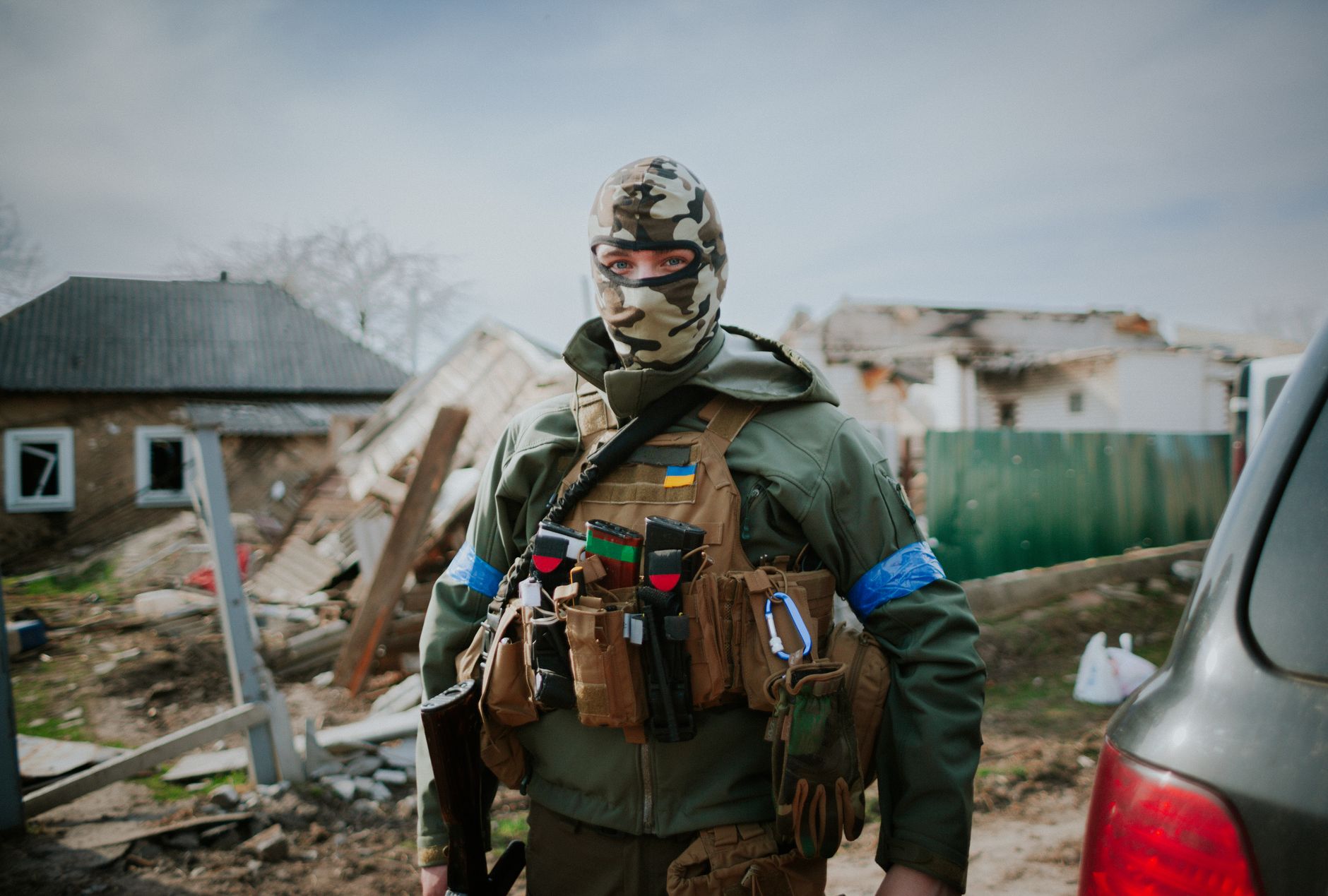
Starlink operations Ukraine are being limited, causing significant disruptions to military missions, according to a presidential aide. This development raises concerns about the impact on ongoing efforts in the region.
Impact of Starlink Limitations
The recent decision by SpaceX to limit Starlink operations in Ukraine has raised significant concerns regarding its impact on military missions. This change has been described as a critical disruption by various officials, including presidential aides, who emphasize the importance of reliable communication systems in combat scenarios.
As military operations increasingly rely on satellite communication for coordination and intelligence gathering, any limitations on these services can hinder effectiveness. Specifically, the restrictions imposed by SpaceX may affect several aspects of military operations:
- Communication Breakdown: Soldiers in the field depend on real-time communication to relay information and receive commands. Disruptions can lead to confusion and delays.
- Diminished Surveillance Capabilities: UAVs and other reconnaissance tools that utilize Starlink for data transmission may face operational challenges, compromising situational awareness.
- Coordination Issues: Joint operations between different military units require seamless communication, which may be jeopardized under the new limitations.
- Impact on Morale: Soldiers may feel the effects of diminished technological support, potentially affecting their confidence and effectiveness in operations.
Overall, the limitations on Starlink operations in Ukraine highlight a precarious intersection of technology and military strategy, with far-reaching implications for ongoing conflicts.
Military Response to Starlink Changes
The recent decision by SpaceX to limit Starlink operations in Ukraine has led to significant concerns within the military. As the Ukrainian forces rely heavily on satellite communications for coordination and intelligence, any disruption can have dire consequences. A presidential aide noted that these limitations have hindered critical military missions, leaving troops vulnerable and less effective on the battlefield.
In response to these changes, the Ukrainian military is exploring alternative communication methods to mitigate the impact of the reduced Starlink services. The following strategies are being considered:
- Increased use of terrestrial communication systems: Efforts are underway to enhance ground-based communication networks to ensure continuity of operations.
- Partnerships with other satellite providers: The military is looking into collaborations with different satellite companies to secure reliable communication channels.
- Development of new technologies: Investing in homegrown technological solutions to create independent communication systems is also a priority.
The limitations imposed on Starlink operations in Ukraine serve as a stark reminder of the complexities surrounding modern warfare and the dependency on satellite technology. As military leaders adapt to these challenges, the overall effectiveness of operations may continue to be tested.
Presidential Aide’s Statement
A presidential aide has expressed grave concerns regarding the recent limitations imposed on Starlink operations in Ukraine. The aide emphasized that these restrictions are having a detrimental effect on military missions, hindering communication and coordination among Ukrainian forces. In a statement, the aide noted that reliable internet connectivity is crucial for operational success, especially in the face of ongoing conflicts.
“These limitations are not just technical issues; they have real-world implications for our military effectiveness,” the aide stated. “Without consistent access to Starlink services, our troops are left vulnerable and unable to execute their missions efficiently.”
The aide highlighted several key points regarding the negative impact of the changes:
- Disruption of Communication: Troops are experiencing difficulties in relaying critical information.
- Operational Coordination: Commanders struggle to coordinate strategies in real-time.
- Increased Vulnerability: Reduced connectivity places forces at a greater risk during operations.
Moreover, the aide called for urgent discussions with SpaceX to address these issues, stressing the need for reliable internet services to support ongoing military efforts in Ukraine. The situation remains tense as the conflict continues to evolve.
Background on Starlink in Ukraine
Since its inception, Starlink operations in Ukraine have played a crucial role in enhancing communication capabilities for both civilians and military personnel. The satellite internet service, developed by SpaceX, was introduced into the region in response to the urgent need for reliable internet connectivity during times of conflict. This service has allowed troops to maintain communication in remote areas, share intelligence, and coordinate operations effectively.
However, the recent decision by SpaceX to impose limitations on Starlink’s functionality has raised significant concerns. Reports indicate that these restrictions are impacting military missions, hampering real-time communication and operational efficiency. The adjustments made by SpaceX have been attributed to concerns over the potential use of the service for offensive military actions. As a result, both military leaders and government officials are grappling with the implications of these changes.
The reliance on Starlink has made it a double-edged sword; while it has provided substantial support in earlier phases of the conflict, the current limitations could jeopardize critical missions. Many military strategists are now reassessing their communication strategies, seeking alternative solutions to mitigate the adverse effects of reduced Starlink services. The evolving landscape of satellite communication in warfare is becoming an increasingly complex issue for Ukraine’s military operations.
Future of Satellite Operations
The future of satellite operations in Ukraine remains uncertain as the implications of recent changes by SpaceX continue to unfold. The limitations imposed on Starlink operations Ukraine have raised concerns among military leaders about the ability to adapt to new communication challenges on the battlefield.
Several factors will influence the trajectory of satellite operations in the region:
- Technological Adaptations: Military forces may need to explore alternative communication technologies to supplement the gaps left by Starlink limitations.
- Strategic Partnerships: Collaborations with other satellite service providers could emerge to ensure uninterrupted communication lines for operational effectiveness.
- Regulatory Changes: The role of international regulations and agreements on satellite operations may evolve, potentially affecting how services like Starlink can be utilized in conflict zones.
- Investment in Local Infrastructure: There may be a push for investing in domestic satellite technology to foster self-reliance in military communications.
As the situation develops, Ukraine’s military forces will likely prioritize resilience in their operations. The ongoing adjustments to Starlink operations could prompt a reevaluation of existing strategies to ensure that technological dependencies do not hinder mission objectives.
International Reactions to SpaceX Decision
The decision by SpaceX to limit Starlink operations in Ukraine has drawn significant international reactions, highlighting concerns over the implications for military effectiveness and communication capabilities. Various countries have expressed dismay at the restrictions, emphasizing the critical role of satellite internet in modern warfare.
Among the responses, several European nations have voiced their support for Ukraine, urging SpaceX to reconsider its limitations. Notably, officials from NATO member states have raised concerns that any disruption of Starlink services could undermine coordinated defense efforts against aggressors. A representative from a prominent European nation stated, “The reliability of communications is paramount in any conflict, and limiting access to such technology places our allies at a disadvantage.”
Furthermore, international advocacy groups have intensified their calls for unrestricted access to satellite services in conflict zones. They argue that the consequences of limiting Starlink operations in Ukraine could extend beyond immediate military implications, affecting humanitarian efforts as well.
In light of these reactions, analysts suggest that SpaceX’s decision may lead to diplomatic tensions, as countries rally to support Ukraine’s right to maintain robust communication networks in the face of adversity. The unfolding situation continues to raise questions about the intersection of technology and warfare.
Recent assessments have highlighted that Starlink operations Ukraine may inadvertently compromise the security of military communications. As a result, officials are now reconsidering the extent to which Starlink operations Ukraine should be utilized in sensitive areas.
Photo by Алесь Усцінаў on Pexels

Leave a Reply