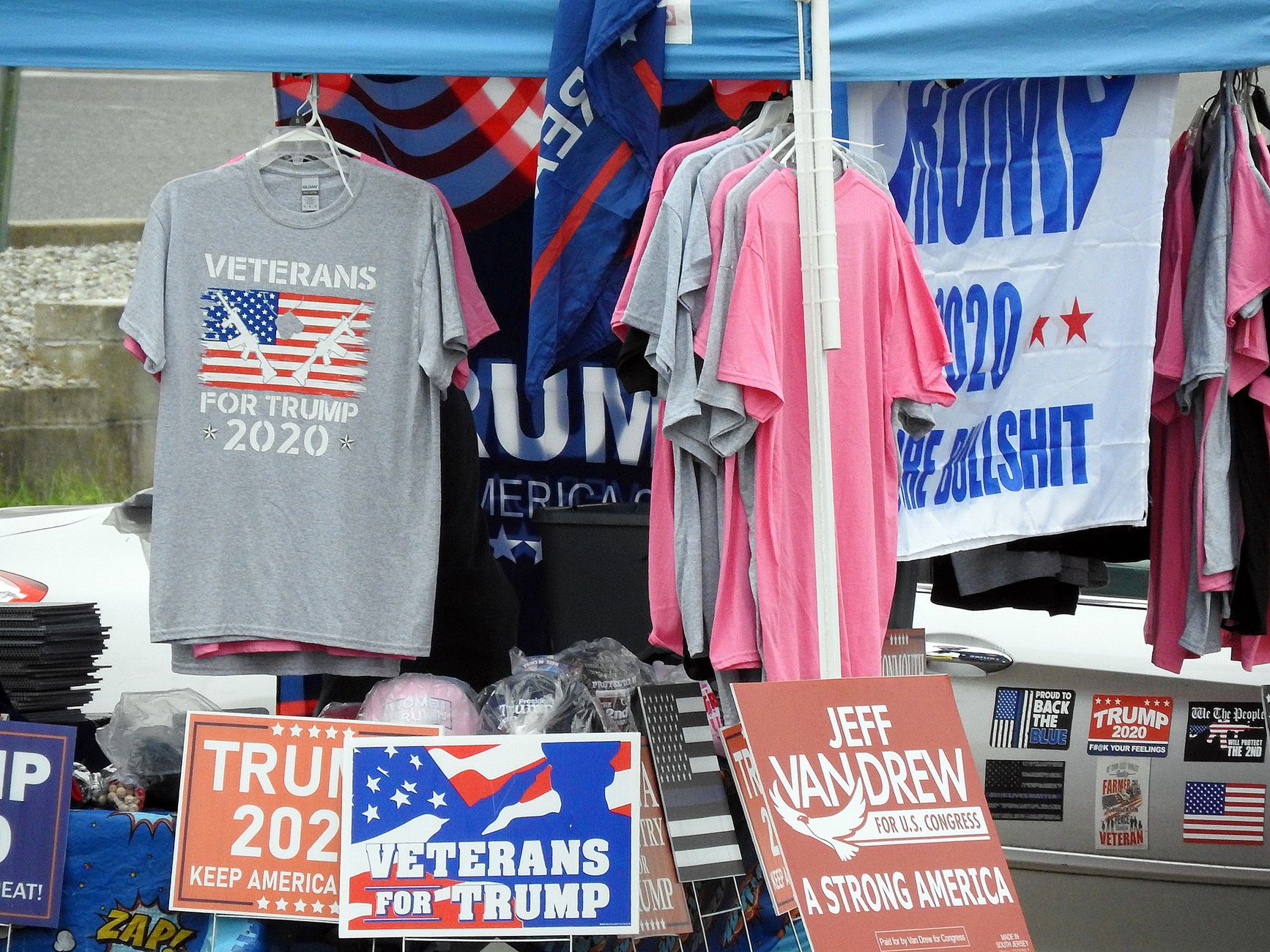
The Trump revenge campaign has descended into turmoil, revealing deep fractures within his base and strategy. As tensions rise, the implications for future political moves become increasingly significant.
Understanding the Trump Revenge Campaign
The Trump revenge campaign has become a focal point of political discourse, revealing undercurrents of tension and ambition among his supporters and rivals alike. As the former president seeks to regain influence, the strategy appears to be rooted in a desire for retribution against those perceived as enemies.
Several key elements contribute to the turmoil behind this campaign:
- Internal Divisions: Within Trump’s base, differing opinions on campaign strategies have created rifts, complicating efforts to present a united front.
- Media Scrutiny: As news outlets closely monitor Trump’s every move, the campaign faces constant challenges in managing its narrative, leading to mixed public perceptions.
- Opposition Strategies: Rivals are quick to capitalize on any missteps, intensifying the pressure on Trump’s campaign team.
- Grassroots Mobilization: While some grassroots supporters remain fervently loyal, others express frustration over the campaign’s direction and effectiveness.
Ultimately, the Trump revenge campaign reflects a complex interplay of loyalty, ambition, and the relentless pursuit of power, leaving many to wonder how it will unfold as the political landscape continues to evolve.
Key Players in the Campaign
The Trump revenge campaign has brought together a mix of seasoned political operatives and fresh faces, all eager to navigate the turbulent waters of the former president’s post-White House ambitions. Key players in this strategic initiative include:
- Donald Trump: The driving force behind the campaign, he seeks to reclaim influence and settle scores with those he believes have wronged him.
- Jason Miller: A long-time advisor and strategist, he plays a crucial role in shaping the campaign’s messaging and outreach efforts.
- Ronna McDaniel: As the chair of the Republican National Committee, she is instrumental in rallying party support and resources for Trump’s endeavors.
- Steve Bannon: Former White House chief strategist, he has returned to help coordinate grassroots mobilization and rally the base.
- Kellyanne Conway: A key figure in Trump’s 2016 campaign, she has re-entered the fold to assist with media relations and public perception management.
These players, among others, are central to the dynamics of the Trump revenge campaign, where internal conflicts and strategic disagreements often emerge, complicating the path forward.
Public Reaction to the Campaign
The public reaction to the Trump revenge campaign has been mixed, reflecting deep divisions within the electorate. Supporters of the former president express enthusiasm, believing his efforts are a necessary response to perceived injustices during his previous term. Many view the campaign as a rallying cry for the disenfranchised, with some stating it represents a fight against a political establishment that they feel has failed them.
Conversely, critics argue that the campaign is a distraction from pressing national issues. Detractors describe it as an effort to stoke division and resentment rather than unify the party. Concerns have been raised about the potential for increased political violence as tensions simmer.
In recent polls, a significant portion of the electorate remains undecided about the campaign’s implications. Some voters express weariness with the constant drama surrounding Trump, suggesting that they desire a more stable political environment.
As the campaign unfolds, social media platforms have become hotbeds for debate. The narratives surrounding the Trump revenge campaign are heavily debated, underscoring the polarized atmosphere as the nation approaches the next election cycle.
- Supporters: See it as a necessary fight.
- Critics: View it as a distraction from real issues.
- Polls: Show a divided electorate.
Challenges Facing Trump
As the Trump revenge campaign progresses, it faces a multitude of challenges that threaten its overall effectiveness and cohesion. Key issues include internal divisions among his supporters and the shifting political landscape, which complicate the campaign’s messaging and strategy.
Some of the primary challenges include:
- Leadership Disputes: Infighting among top aides has created confusion about the campaign’s direction and priorities.
- Voter Fatigue: Many potential supporters express weariness from constant political drama, making it difficult to energize the base.
- Legal Troubles: Ongoing investigations and legal battles have the potential to distract from campaign efforts and shape public perception negatively.
- Media Scrutiny: The campaign faces intense media coverage that often focuses on controversies rather than policy proposals, complicating outreach efforts.
Despite these hurdles, the Trump revenge campaign continues to push forward, seeking to rally support and capitalize on perceived grievances against the political establishment. As challenges mount, the campaign’s adaptability and response will be crucial in shaping its future trajectory.
Impact on Republican Unity
The Trump revenge campaign has sparked significant debate regarding its impact on Republican unity as the party navigates a divided landscape. Internal rifts have emerged, with various factions showing contrasting levels of support for the former president’s strategies.
Many party members are torn between loyalty to Trump and the need to appeal to a broader electorate. Some believe that aligning with his revenge campaign may alienate moderate voters, while others argue that it reignites the passion of the party’s base.
Key issues contributing to this tension include:
- Primary Challenges: Several Republican candidates are hesitant to fully embrace Trump’s approach, fearing backlash from constituents.
- Strategic Differences: Disagreements on policies and campaign tactics are causing fractures among party leaders.
- Media Narrative: The portrayal of the Trump revenge campaign in the media may influence public perception and voter sentiment.
As these divisions deepen, many wonder whether the Republican party can maintain cohesion or if Trump’s influence will ultimately drive a wedge between its members. The outcome could shape the party’s future as it heads towards upcoming elections.
Future of Trump’s Political Aspirations
As the political landscape continues to evolve, the future of Trump’s political aspirations remains uncertain. The Trump revenge campaign has ignited a series of reactions both within and outside the Republican Party. With the midterm elections approaching, the direction Trump chooses to take will significantly affect his influence.
Many experts believe that Trump’s ability to navigate through the current turmoil will determine his potential candidacy for the 2024 presidential election. Observers are watching closely as he balances his desire for retribution against political pragmatism. Factors contributing to this uncertainty include:
- Shifting Voter Sentiment: Polls indicate a divided electorate, with some voters expressing fatigue over Trump’s controversies.
- Party Dynamics: Internal conflicts within the Republican Party may either empower or hinder his campaign efforts.
- Legal Challenges: Ongoing investigations and lawsuits could impact his public image and campaign resources.
- Strategic Alliances: The alliances he forms in the coming months may play a crucial role in solidifying his base.
Ultimately, the decisions made in the coming weeks will be pivotal in shaping not only Trump’s future but also the broader trajectory of the Republican Party.
Analyzing the Turmoil
As the Trump revenge campaign unfolds, the internal dynamics reveal a complex web of challenges and conflicts. Sources indicate that the once-unified front among Trump’s allies is now fractured, leading to a surge of infighting that threatens the campaign’s effectiveness. Key strategists are reportedly at odds over messaging, with some advocating for a more aggressive approach while others suggest a return to traditional Republican values.
Among the most significant issues is the struggle for control over narrative. Many in Trump’s inner circle are concerned that the focus on revenge against perceived adversaries is overshadowing essential policy discussions. This has sparked a debate about the campaign’s long-term strategy and its potential to alienate moderate voters.
The turmoil is further exacerbated by external pressures, including legal challenges facing Trump and the shifting political landscape. As these factors collide, the campaign appears to be at a crossroads, with members questioning whether the current trajectory can secure electoral success.
Ultimately, the future of the Trump revenge campaign hinges on the ability of its leaders to navigate these turbulent waters and present a coherent vision that resonates with both the base and undecided voters.
Photo by Allen Beilschmidt sr. on Pexels

Leave a Reply