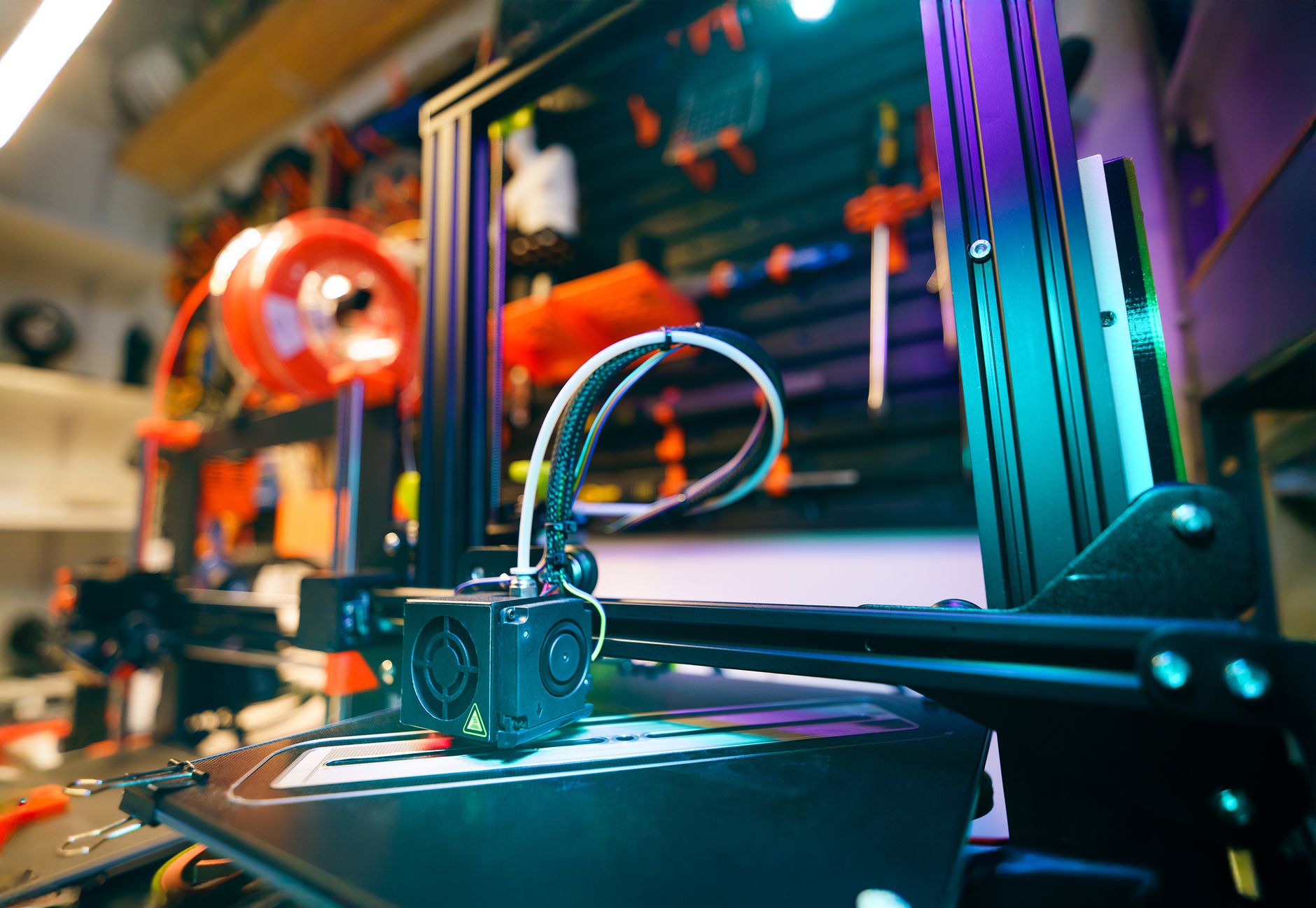
3D direct-to-shape printing is transforming the manufacturing landscape, and Epson’s launch of CONTOURJET is a significant advancement in this technology.
What is 3D Direct-to-Shape Printing?
3D direct-to-shape printing is a cutting-edge technology that revolutionizes the way products are manufactured. Unlike traditional printing methods, which often require extensive post-processing, this innovative approach allows for the direct application of designs onto three-dimensional objects. This technique streamlines production, reduces waste, and enhances creative possibilities for designers and manufacturers alike.
One of the latest advancements in this field is the introduction of Epson’s CONTOURJET, a machine designed specifically for 3D direct-to-shape printing. This equipment promises to deliver high-quality, vibrant prints that adhere seamlessly to various surfaces, including complex geometries and unconventional materials.
The process involves several key steps:
- Preparation: The object to be printed is carefully selected and prepped for the printing process.
- Design: Custom graphics and designs are created digitally, ensuring that they fit the contours of the object perfectly.
- Printing: The printer applies ink directly onto the surface, allowing for precise detailing and color accuracy.
- Finishing: After printing, the object may undergo additional treatments to enhance durability and appearance.
Overall, 3D direct-to-shape printing is not just a technological advancement; it represents a shift towards more sustainable and customizable manufacturing practices. As companies like Epson continue to innovate, the potential applications for this technology appear limitless.
Epson’s Role in 3D Printing
Epson is making significant strides in the realm of 3D direct-to-shape printing, with the recent launch of its innovative CONTOURJET technology. This advancement highlights Epson’s commitment to enhancing manufacturing processes across various industries. By integrating high-quality printing capabilities with 3D production, the CONTOURJET allows for intricate designs and vivid colors to be applied directly onto three-dimensional objects.
One of the key features of the CONTOURJET is its ability to print on a wide range of materials, making it versatile for different applications. This opens up numerous possibilities in sectors such as:
- Consumer Products: Offering customization options for personal items and gifts.
- Automotive: Allowing for detailed branding and designs on vehicle components.
- Packaging: Enhancing product presentation with eye-catching graphics.
Furthermore, Epson’s dedication to sustainability is evident in the CONTOURJET’s efficient use of resources, minimizing waste during the printing process. As industries continue to embrace digitalization, Epson’s advancements in 3D direct-to-shape printing position it as a frontrunner in the market, setting new standards for quality and efficiency. The company’s leadership in this space not only fosters innovation but also inspires other manufacturers to explore the potential of 3D printing technologies.
Benefits of Using CONTOURJET
The introduction of the CONTOURJET technology by Epson marks a significant advancement in 3D direct-to-shape printing. This innovative approach offers numerous benefits that cater to various industries, enhancing productivity and efficiency.
One of the primary advantages of using CONTOURJET is its ability to streamline the manufacturing process. Traditional methods often require multiple steps, but with 3D direct-to-shape printing, products can be created in a single pass. This not only reduces production time but also minimizes costs associated with labor and materials.
Moreover, CONTOURJET provides unparalleled precision and detail. The technology allows for intricate designs to be printed directly onto various surfaces, ensuring that the end product meets high-quality standards. This capability is particularly beneficial for industries such as automotive and consumer electronics, where customization and detail are paramount.
Additionally, the environmental impact of using CONTOURJET is significantly lower compared to conventional manufacturing methods. The process generates less waste and utilizes eco-friendly materials, aligning with global sustainability goals.
In summary, the benefits of using CONTOURJET in 3D direct-to-shape printing include:
- Streamlined production process
- Cost-effectiveness
- High precision and detail
- Reduced environmental impact
These features make CONTOURJET a compelling choice for businesses looking to innovate in their manufacturing processes.
Industry Applications of 3D Printing
3D direct-to-shape printing has transformed various industries by enabling the creation of customized and intricate designs with high precision. Some of the key applications of this innovative technology include:
- Consumer Products: Companies are using 3D direct-to-shape printing to develop unique packaging solutions and personalized items that cater to individual preferences, enhancing customer engagement.
- Aerospace: In the aerospace sector, this technology allows for the production of lightweight parts that improve fuel efficiency and reduce overall costs while maintaining strict safety standards.
- Automotive: The automotive industry benefits from rapid prototyping and the ability to create complex geometries that conventional manufacturing methods cannot achieve, leading to faster design iterations.
- Medical Devices: 3D printing is revolutionizing the healthcare landscape by facilitating the production of customized prosthetics and implants, tailored to the specific anatomy of patients.
- Fashion and Jewelry: Designers are exploring 3D direct-to-shape printing to create intricate patterns and structures that push the boundaries of traditional craftsmanship.
As industries continue to adopt 3D direct-to-shape printing, the demand for innovative solutions will likely grow, paving the way for advancements in design and functionality across various sectors. The versatility and efficiency of this technology make it a key player in the future of manufacturing.
Future Trends in Manufacturing Technology
The manufacturing landscape is evolving rapidly, and 3D direct-to-shape printing is poised to play a pivotal role in this transformation. As companies seek to streamline production processes and reduce costs, advancements in 3D printing technology are becoming increasingly vital.
One key trend is the integration of artificial intelligence and machine learning into the 3D printing workflow. These technologies can enhance design precision, enable real-time monitoring, and optimize production schedules. This integration promises to minimize waste and increase efficiency, making 3D direct-to-shape printing even more appealing to manufacturers.
Additionally, sustainability is a growing concern for industries worldwide. Future developments in 3D printing are likely to focus on utilizing eco-friendly materials that reduce environmental impact. Innovations in bioprinting and recycling processes will further enhance the sustainability of 3D direct-to-shape printing, aligning with global initiatives for greener manufacturing.
Another trend is the expansion of 3D direct-to-shape printing into new sectors, including healthcare and automotive. As customization becomes increasingly important, the ability to print complex shapes and designs directly onto products opens new possibilities for personalized solutions.
In summary, the future of manufacturing technology is bright, with 3D direct-to-shape printing at the forefront. By embracing these trends, manufacturers can not only improve operational efficiency but also meet the evolving demands of consumers and regulatory bodies alike.
Photo by Jakub Zerdzicki on Pexels

Leave a Reply