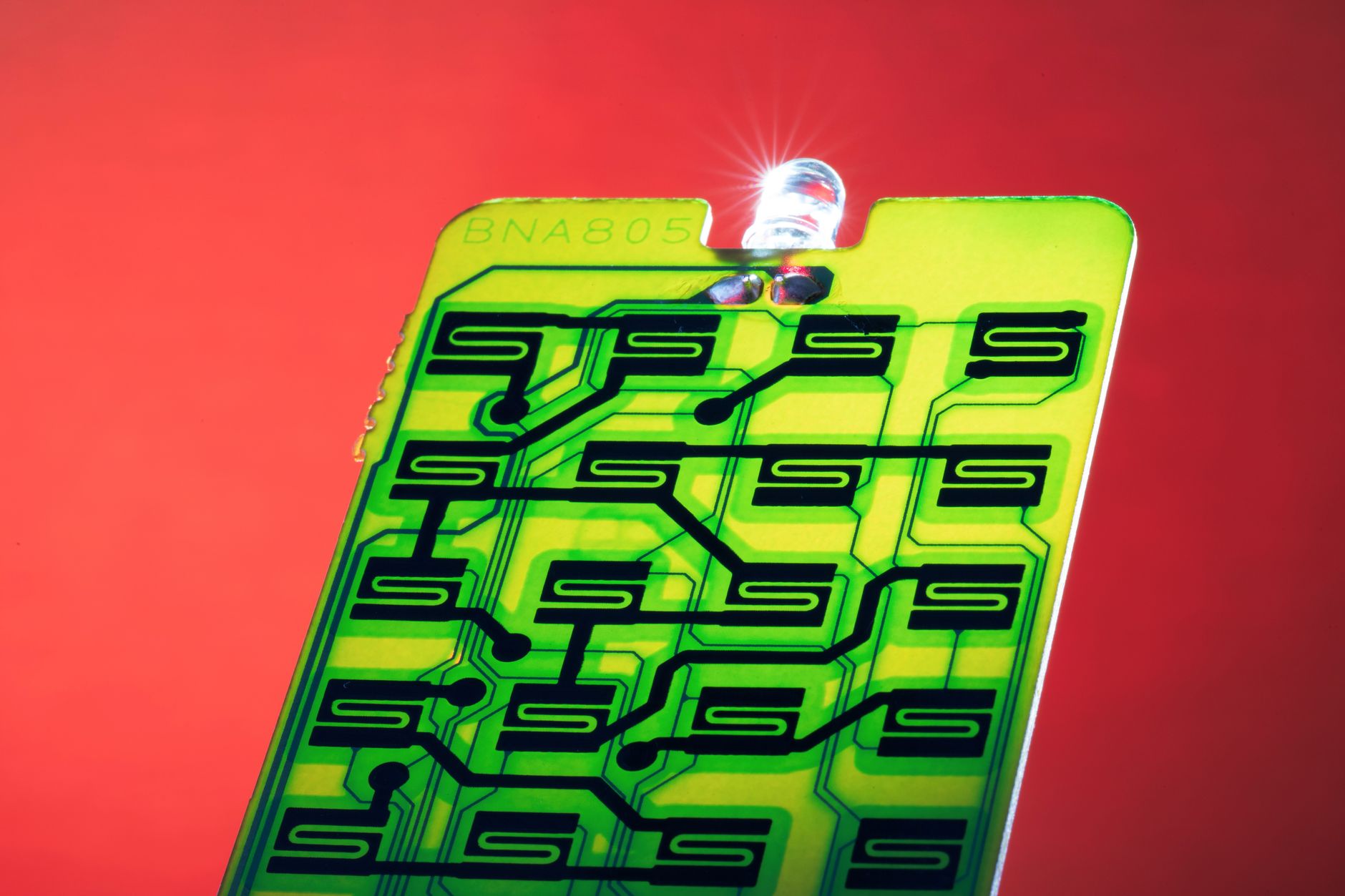
stretchable electronics are gaining attention as scientists use AI to map hidden rules that govern their functionality. This innovative approach promises to enhance the development of flexible technologies.
What Are Stretchable Electronics?
Stretchable electronics are a groundbreaking advancement in the field of materials science and engineering. These innovative devices are designed to maintain functionality while being stretched, bent, or twisted, which opens up a range of applications in various industries. Unlike traditional rigid electronics, stretchable electronics can conform to irregular surfaces, making them ideal for integration into wearable technology, flexible displays, and even medical devices.
One of the key features of stretchable electronics is their ability to combine the properties of both conductive materials and elastomers. This allows them to retain electrical conductivity while being deformed, which is essential for applications that require flexibility and durability. The development of these devices often involves the use of advanced materials such as conductive polymers and metal nanowires.
Recently, scientists have turned to artificial intelligence (AI) to uncover the hidden rules governing the design and fabrication of stretchable electronics. By analyzing vast datasets, AI can predict how different materials and structures will behave under various conditions. This approach not only accelerates the development process but also enhances the performance and reliability of stretchable electronics, paving the way for smarter, more adaptable technologies.
The Role of AI in Mapping
Artificial intelligence (AI) is revolutionizing the field of stretchable electronics by uncovering previously unknown patterns and behaviors. Researchers have discovered that AI can analyze vast datasets, enabling them to identify hidden rules governing the functionality of these innovative materials. This process not only accelerates the development of new stretchable electronic components but also enhances their performance in various applications.
By utilizing machine learning algorithms, scientists can predict how these materials will behave under different conditions, such as stretching, bending, or compressing. The AI systems are trained on extensive simulations and experimental data, allowing them to recognize subtle correlations that may not be evident through traditional analysis methods.
Some of the key advantages of employing AI in this domain include:
- Enhanced predictive capabilities: AI models can forecast material behaviors with remarkable accuracy.
- Speed of development: Researchers can quickly iterate on designs and optimize properties.
- Cost efficiency: Fewer resources are needed for physical testing, reducing overall project costs.
As AI continues to evolve, its role in mapping the intricacies of stretchable electronics will undoubtedly expand, paving the way for more innovative solutions in technology and engineering.
Key Discoveries in Stretchable Electronics
Recent investigations into stretchable electronics have unveiled several critical discoveries that could revolutionize the field. Scientists, utilizing advanced artificial intelligence, have managed to identify the hidden rules governing the performance and durability of these innovative materials.
Among the notable findings are:
- Material Composition: The choice of polymers and conductive materials significantly affects the stretchability and reliability of the devices.
- Design Geometry: The layout and structure of the electronic components play a crucial role in determining how well these devices can withstand deformation.
- Environmental Factors: Temperature and humidity levels were found to influence the performance metrics of stretchable electronics, indicating the need for robust testing in diverse conditions.
- Deformation Patterns: AI algorithms helped to map out how different stretching patterns impact the electrical properties, offering insights for future designs.
These discoveries not only enhance our understanding of stretchable electronics but also pave the way for improved applications in wearable technology, soft robotics, and health monitoring systems. As research continues, the integration of AI stands to further illuminate the complexities of these adaptable materials.
Future Implications of This Research
The research on stretchable electronics has significant future implications that could revolutionize various industries. As scientists continue to unravel the complexities of these materials, several key areas are expected to benefit greatly.
- Healthcare: The integration of stretchable electronics into medical devices could lead to advanced wearable health monitors that conform to the body, providing real-time data on vital signs.
- Consumer Electronics: As devices become more flexible and lightweight, the potential for innovative gadgets that blend seamlessly into daily life increases. This advancement could transform everything from smartphones to smart clothing.
- Robotics: With improved stretchable components, robots could gain enhanced dexterity and adaptability, making them more effective in environments that require delicate handling or manipulation.
- Energy Harvesting: Stretchable electronics could pave the way for new methods of energy generation, such as body-heat powered devices that charge while worn.
As AI continues to play a pivotal role in mapping the underlying rules of stretchable electronics, the potential for new applications is virtually limitless. Researchers are optimistic that these advancements will lead to breakthroughs that enhance quality of life and drive technological progress.
Photo by Nic Wood on Pexels

Leave a Reply