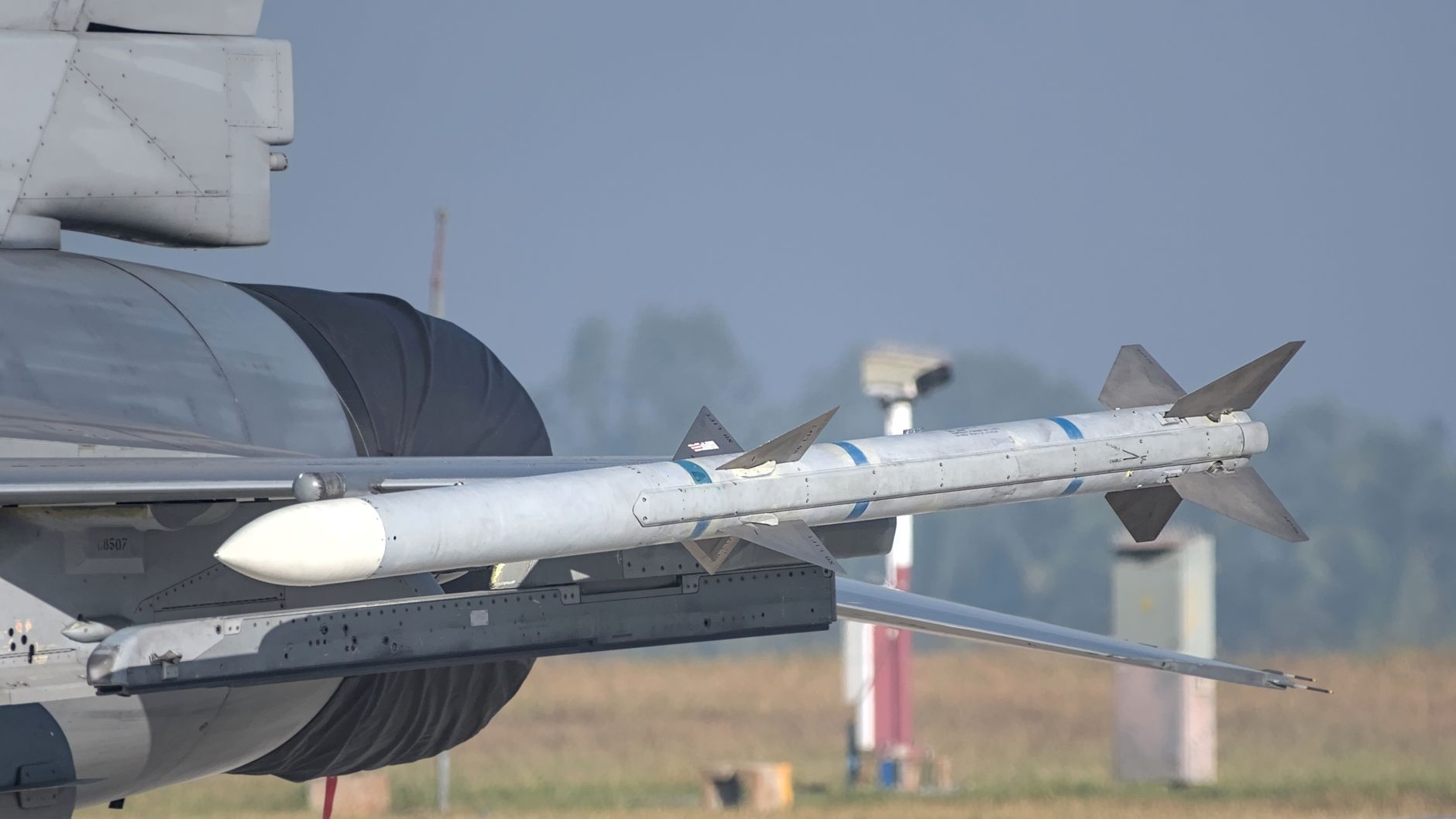
North Korea missile launch has escalated tensions following recent military drills by the US, South Korea, and Japan. This provocative act raises significant concerns for regional stability.
Understanding the Recent Missile Launch
The recent missile launch by North Korea has raised significant concerns among global leaders and defense experts. Following a joint military exercise known as the Freedom Edge drill, conducted by the US, South Korea, and Japan, North Korea fired several missiles, marking a provocative escalation in tensions.
Experts are analyzing the implications of this launch, noting that it could signal more aggressive military posturing from Pyongyang. Key points of concern include:
- The increased frequency of missile tests in recent months.
- North Korea’s advancement in missile technology, potentially threatening regional stability.
- The likelihood of retaliatory measures from the US and its allies.
As nations monitor the situation, the question remains: is this North Korea missile launch the worst threat yet to peace in the region?
Impact on US-South Korea Relations
The recent North Korea missile launch has intensified concerns over the stability of US-South Korea relations. Following the missile tests, both nations have reaffirmed their commitment to a strong military alliance in the face of escalating threats. Analysts suggest that this launch is a direct challenge not only to South Korea but also to the United States and its allies in the region.
In response to the tensions, the following actions are being considered:
- Increased Military Drills: Joint exercises between the US and South Korea may become more frequent to deter further provocations.
- Economic Sanctions: The US may impose additional sanctions on North Korea to pressure its regime.
- Diplomatic Outreach: Efforts to engage North Korea in dialogue could also be revisited, albeit cautiously.
As the situation evolves, the ramifications of the North Korea missile launch will likely shape future diplomatic strategies in the region.
What the Drills Mean for Japan
The recent North Korea missile launch has significant implications for Japan, raising concerns about regional security and stability. As North Korea continues to develop its missile capabilities, Japan finds itself in a precarious position.
Experts believe that these missile tests serve multiple purposes:
- Demonstrating Power: North Korea aims to showcase its military strength to both domestic and international audiences.
- Deterring Threats: The launches are seen as a warning to Japan, which has been strengthening its defense ties with the United States and South Korea.
- Testing Reactions: North Korea may be assessing how Japan responds to its missile activities, especially during joint military drills.
As tensions rise, Japan must navigate its defense strategy carefully, balancing diplomacy and military readiness in response to the North Korea missile launch.
Global Reactions to North Korea’s Actions
Global reactions to North Korea’s missile launch have been swift and varied, reflecting the heightened tensions in the region. Many countries condemned the act, viewing it as a blatant violation of international agreements and a direct challenge to global security.
Key responses include:
- United States: The U.S. reaffirmed its commitment to defend allies in the region and called for increased diplomatic efforts to curb North Korea’s aggressive actions.
- South Korea: South Korean officials expressed concern over the missile launch, emphasizing the need for enhanced military readiness.
- Japan: Japan’s government condemned the launch, stating it undermines regional stability and called for a united international approach.
- China and Russia: Both nations urged restraint and dialogue, advocating for a peaceful resolution to the crisis.
These reactions highlight the global unease surrounding North Korea’s missile capabilities.
Photo by Aseem Borkar on Pexels
Leave a Reply