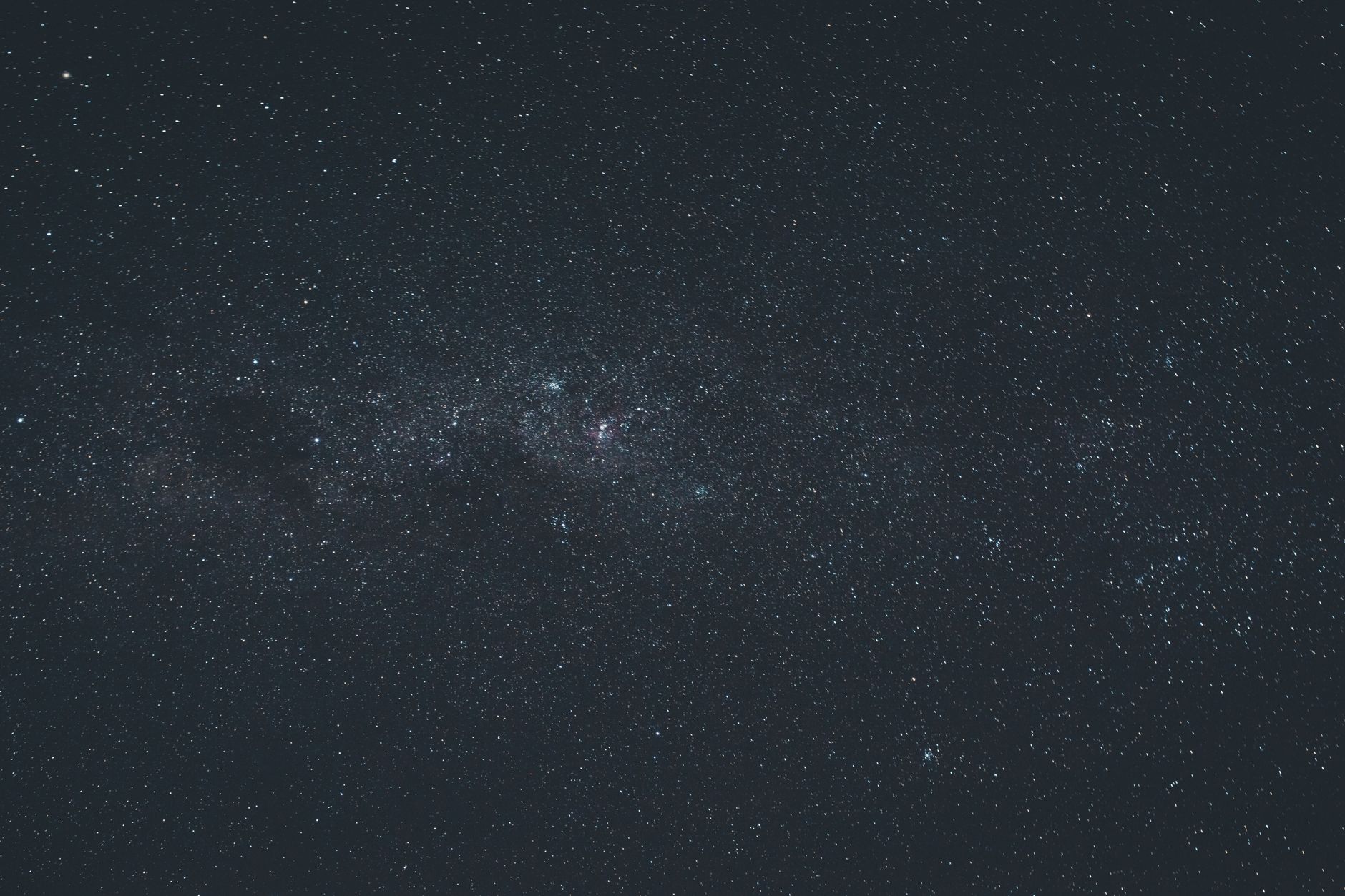
COSMOS field observations are providing groundbreaking insights thanks to the advanced capabilities of the Rubin observatory, which is peering deeper into the cosmos than ever before.
Introduction to COSMOS Field
The COSMOS field, a renowned area of the night sky, has long captivated astronomers and stargazers alike. It serves as a unique laboratory for studying cosmic phenomena and understanding the evolution of the universe. Recently, the Rubin Observatory has made significant strides in providing clearer insights into this fascinating region through its advanced observational capabilities.
Located in the Atacama Desert of Chile, the Rubin Observatory is equipped with a powerful telescope designed to capture detailed images of the cosmos. By conducting extensive COSMOS field observations, researchers aim to unveil the mysteries of galaxies, dark matter, and the large-scale structure of the universe.
These observations are crucial as they allow scientists to:
- Examine the distribution of galaxies and their formation.
- Investigate the role of dark matter in shaping cosmic structures.
- Enhance our understanding of cosmic background radiation and its effects.
As the Rubin Observatory continues its groundbreaking work, the findings from the COSMOS field observations are expected to shed light on fundamental questions about the universe, paving the way for future discoveries and advancements in astrophysics.
What the Rubin Observatory Reveals
The Rubin Observatory has provided groundbreaking insights through its extensive COSMOS field observations, revealing a wealth of information about the universe. By employing advanced imaging technology, the observatory captures detailed images of this vast area, which is rich in galaxies and cosmic phenomena.
One of the key findings from these observations includes:
- The discovery of new galaxy clusters: The Rubin Observatory has identified several previously unknown clusters, shedding light on the formation and evolution of galaxies over cosmic time.
- Insights into dark matter: By analyzing the gravitational lensing effects observed in the COSMOS field, scientists have gained a deeper understanding of dark matter distribution and its influence on galaxy formation.
- New insights into cosmic structures: The detailed data allows astronomers to explore the intricate web of cosmic structures, offering clues about the early universe.
Moreover, the Rubin Observatory’s ongoing efforts aim to create a comprehensive catalog of celestial objects in the COSMOS field, enhancing our understanding of the universe’s history and accelerating the pace of astronomical discoveries.
Such findings not only contribute to the scientific community but also captivate the imagination of the public, highlighting the significance of the COSMOS field observations in unraveling the mysteries of the cosmos.
Importance of Deep Space Observations
The significance of deep space observations cannot be overstated, especially when it comes to understanding the vast universe around us. The COSMOS field observations conducted by the Rubin Observatory have provided groundbreaking insights into cosmic structures and phenomena. These observations enable astronomers to study the formation and evolution of galaxies, as well as the distribution of dark matter.
One of the primary reasons deep space observations are essential is their ability to reveal the underlying mechanics of the universe. Through the detailed data collected from COSMOS field observations, researchers can examine:
- The evolution of galaxies: Understanding how galaxies form and change over time is crucial to our knowledge of cosmology.
- Dark matter distribution: Observations help map the presence of dark matter, which makes up a significant portion of the universe’s mass.
- Cosmic background radiation: Studying the remnants of the Big Bang enhances our comprehension of the universe’s early stages.
Furthermore, the COSMOS field observations offer a unique platform for collaboration among scientists worldwide. By sharing findings and methodologies, researchers can build upon each other’s work, fostering innovations in astronomical techniques and technologies.
Technological Advances in Astronomy
The field of astronomy has witnessed significant technological advances in recent years, particularly with the advent of the Rubin Observatory. This state-of-the-art facility is designed to provide unprecedented insights through its innovative imaging capabilities and extensive survey programs.
One of the standout features of the Rubin Observatory is its ability to capture detailed images of the COSMOS field, allowing astronomers to study celestial phenomena with remarkable clarity. The observatory employs a large aperture telescope coupled with a highly sensitive camera, enabling it to gather vast amounts of data from distant galaxies and other cosmic entities.
These technological advancements have transformed the way scientists conduct research and analyze astronomical data. Key innovations include:
- High-resolution imaging: The observatory’s camera can capture images with exceptional detail, revealing structures and features that were previously obscured.
- Rapid survey techniques: The Rubin Observatory can scan the sky quickly, making it possible to monitor transient events like supernovae and variable stars.
- Data processing capabilities: Advanced algorithms are utilized to handle the massive datasets generated, allowing for more efficient analysis of the COSMOS field observations.
These advancements continue to deepen our understanding of the universe, paving the way for future discoveries in astronomy.
Future of Cosmic Research
The future of cosmic research is poised for transformative advancements, particularly through ongoing COSMOS field observations enabled by cutting-edge technology. As astronomers harness the capabilities of the Rubin Observatory, the potential to unlock the mysteries of the universe grows exponentially.
Upcoming projects aim to expand our understanding of dark matter, dark energy, and the formation of galaxies. The sheer volume of data that will be collected allows researchers to conduct detailed analyses of celestial phenomena that were previously unimaginable.
Key areas of focus include:
- Galaxy Formation: Understanding how galaxies evolve over time and their interactions with one another.
- Dark Energy: Investigating the effects of dark energy on the expansion of the universe.
- Exoplanets: Identifying and studying planets outside our solar system, particularly those that may harbor life.
- Cosmic Microwave Background: Analyzing remnants from the Big Bang to gain insights into the universe’s early moments.
As the Rubin Observatory continues to refine its observational techniques, the community eagerly anticipates new revelations that will reshape our understanding of the cosmos. With the ongoing exploration of the COSMOS field, the next decade promises to be a thrilling era for astrophysics.
Implications for Understanding the Universe
The recent COSMOS field observations conducted by the Rubin Observatory have significant implications for our understanding of the universe. By providing a detailed view of celestial structures, these observations enhance our comprehension of cosmic evolution and the formation of galaxies.
One of the most critical findings from the COSMOS field is the identification of various galaxy formations that challenge existing cosmological models. These formations suggest that the processes governing galaxy evolution may be more complex than previously assumed. As researchers analyze the data, they can refine their theoretical frameworks, leading to new insights into the fundamental laws of physics.
Moreover, the observations allow scientists to study the distribution of dark matter across the cosmos. Understanding how dark matter interacts with visible matter is essential for piecing together the universe’s structure and its expansion rate. The data from the COSMOS field provides a unique opportunity to test hypotheses about dark energy and its role in cosmic acceleration.
In summary, the implications of the COSMOS field observations extend beyond mere data collection; they represent a pivotal step toward unraveling the mysteries of the universe. As researchers continue to analyze and interpret the information, the potential for groundbreaking discoveries becomes increasingly apparent.
Photo by Lucas Pezeta on Pexels
Sources
You might also like
Who Is Lolajack Casino UK? · Hellspin Casino Australia: A Real‑World First‑Time Experience · Comment optimiser votre quotidien pour un gain de productivité
Leave a Reply