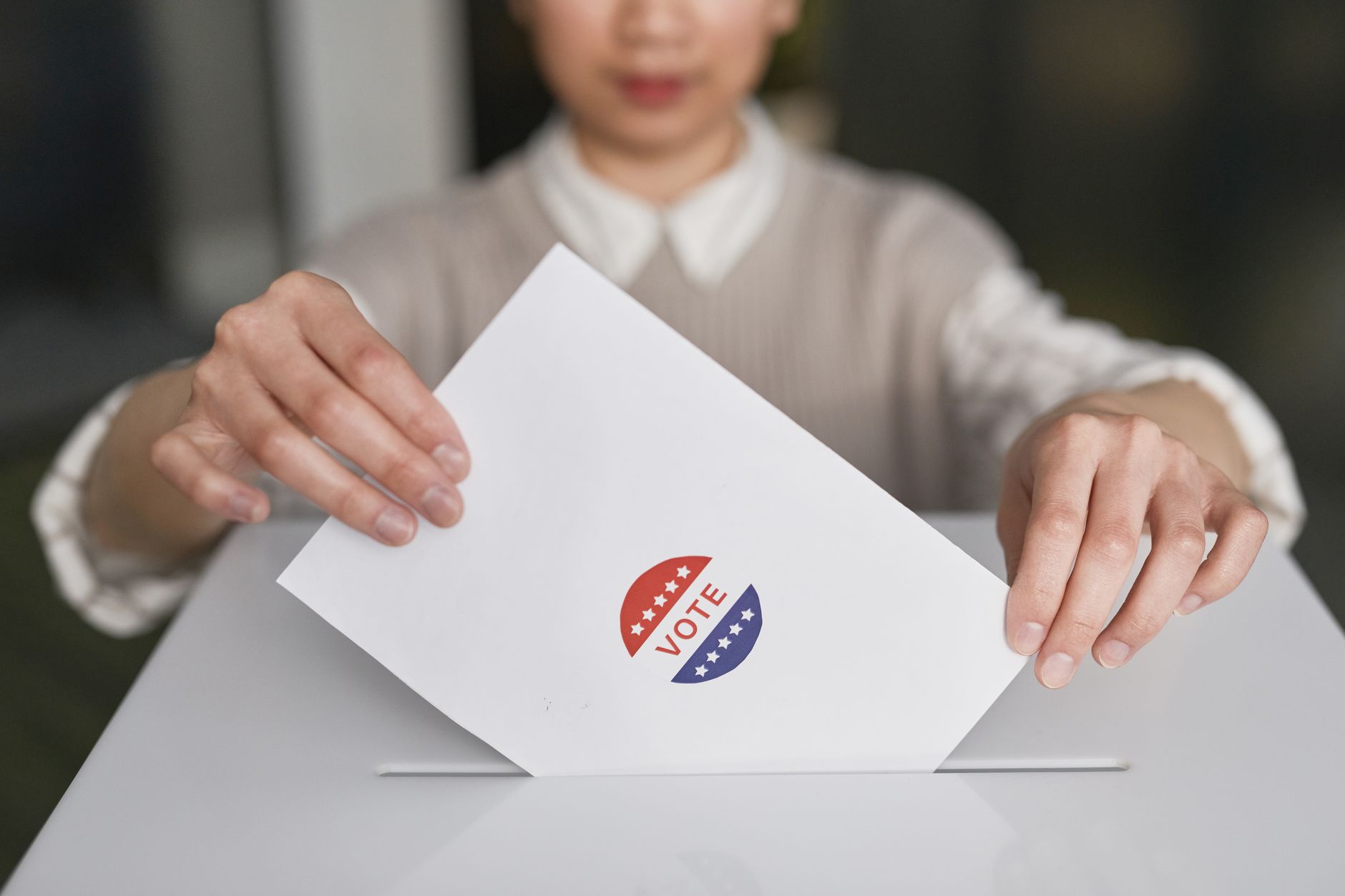
2026 Midterm Elections are approaching, and understanding early voting is crucial. This article explores how early voting is tracked by state and party to help you make informed decisions.
Overview of Early Voting in 2026
As the 2026 Midterm Elections approach, early voting is becoming a crucial aspect of the electoral process. Many states are implementing various early voting strategies to enhance voter participation and streamline the election experience. This overview highlights the significance of early voting in 2026 and the different practices adopted across the nation.
Early voting allows citizens to cast their ballots before Election Day, which can mitigate long lines and reduce last-minute challenges. This year, several states are expanding their early voting periods, making it easier for voters to access polling locations at their convenience. The advantages of early voting include:
- Flexibility: Voters can choose a time that best fits their schedules, reducing the chance of missing out on voting.
- Increased Participation: Historical data suggest that early voting can lead to higher turnout, as it provides more opportunities for individuals to engage in the electoral process.
- Reduced Stress: By voting early, individuals can avoid the anxiety often associated with potential issues on Election Day.
As we prepare for the 2026 Midterm Elections, understanding the landscape of early voting will be essential for voters looking to maximize their impact.
How to Track Early Voting by State
As the 2026 Midterm Elections approach, tracking early voting by state becomes essential for voters aiming to make informed decisions. Understanding the early voting landscape can significantly impact voter turnout and engagement. Here are some effective strategies to monitor early voting in your state:
- Utilize State Election Office Websites: Most states have official websites where they provide up-to-date information about early voting locations, dates, and any specific requirements. Regularly checking these sites can help you stay informed.
- Follow Local News Outlets: Local news organizations often report on early voting trends and any changes to the voting process. This can include information on hours of operation and potential issues at polling places.
- Engage with Social Media: Many state election offices and advocacy groups actively share updates on platforms like Twitter and Facebook. Following these accounts can give you real-time information and alerts.
- Use Voting Apps: Certain apps provide tracking for early voting, allowing users to see when and where they can vote in their state. These tools can simplify the process and keep you updated.
By employing these strategies, voters can effectively track early voting and contribute to higher participation in the 2026 Midterm Elections.
Impact of Party on Early Voting Trends
The 2026 Midterm Elections are expected to showcase significant variations in early voting trends influenced by party affiliation. As voters prepare to cast their ballots, understanding how party dynamics shape early voting can be crucial for mobilizing support and ensuring high turnout rates.
Early voting has historically seen differing participation rates among party lines. Recent data indicates that:
- Democratic voters tend to utilize early voting more frequently, often prioritizing it as a strategic method to avoid long lines and potential last-minute obstacles on Election Day.
- Republican voters, on the other hand, have shown an inclination towards traditional voting on Election Day, although this is slowly changing as some states expand early voting options.
- Independents and third-party voters frequently mirror Democratic trends, particularly in urban areas where early voting sites are more accessible.
Understanding these trends can inform campaign strategies as parties seek to maximize voter engagement. For instance, campaigns may focus on mobilizing their base through targeted outreach efforts, emphasizing the importance of early voting to ensure their supporters are counted. As the 2026 Midterm Elections approach, both parties will likely adapt their strategies based on these trends to enhance voter turnout and influence the overall election outcome.
Key Dates for the 2026 Midterm Elections
The 2026 Midterm Elections are set to be pivotal, and knowing the key dates is essential for voters aiming to make their voices heard. Understanding when to register, vote early, and participate on Election Day can significantly impact voter turnout and engagement.
Here are some crucial dates to keep in mind:
- Voter Registration Deadline: Most states will require voters to register by October 15, 2026. Some states allow same-day registration, but it’s best to check your local regulations.
- Early Voting Period: Early voting will generally begin on October 25, 2026, and continue until November 5, 2026. This provides a window for voters to cast their ballots ahead of Election Day.
- Election Day: The official Election Day will take place on November 8, 2026. All voters should ensure they know their polling place and hours of operation.
Being aware of these key dates for the 2026 Midterm Elections is vital. Planning ahead can help ensure that you participate in this crucial democratic process and have your say in important issues affecting your community and the nation.
Why Early Voting Matters for Voters
As the 2026 Midterm Elections approach, the significance of early voting cannot be overstated. Early voting offers a unique opportunity for voters to cast their ballots ahead of Election Day, thereby reducing long lines and the potential for last-minute complications. This method not only enhances voter accessibility but also encourages higher turnout, especially among those with rigid work schedules or personal commitments.
One of the key advantages of early voting is the flexibility it provides. Voters can choose a time that suits them best, allowing for a more thoughtful and less rushed decision-making process. Additionally, early voting can help alleviate the pressure on polling places, ensuring a smoother experience for everyone involved.
Moreover, early voting can serve as a critical tool for increasing informed voting. Voters have more time to research candidates and ballot measures, which can lead to more educated choices. With the political landscape constantly evolving, having the opportunity to vote early allows individuals to stay engaged and adapt to any last-minute developments.
In conclusion, participating in early voting for the 2026 Midterm Elections can significantly enhance the overall voting experience, making it a vital strategy for those looking to make their voices heard.
Photo by Edmond Dantès on Pexels
Leave a Reply